
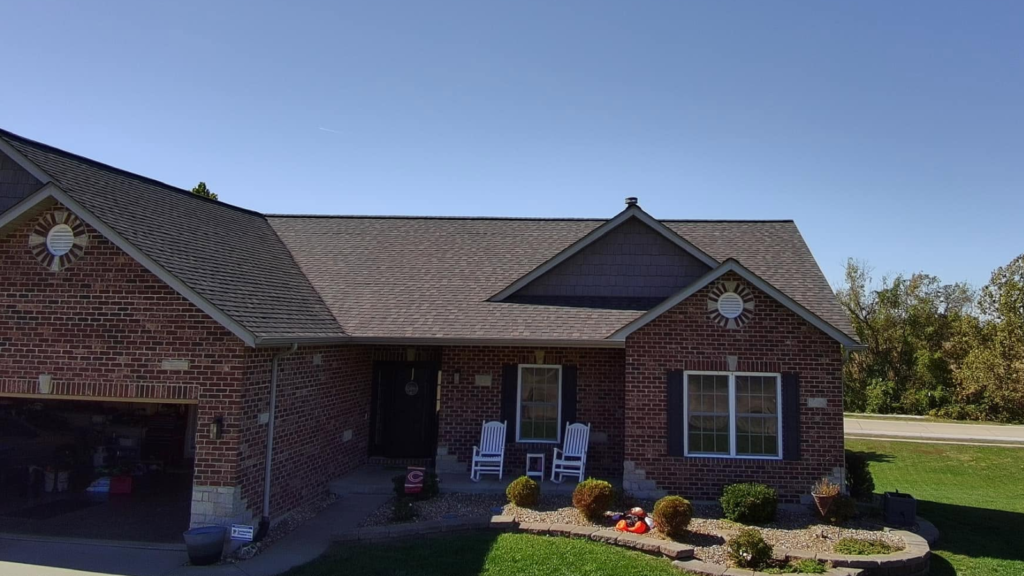
Storms are an unfortunate reality for homeowners in Columbia, Illinois, and surrounding communities. Heavy rain, hail, high winds, fallen tree limbs, and flying debris can cause significant damage to your roof, siding, gutters, windows, and even your home’s structure. While it’s natural to feel overwhelmed after a storm, taking the right actions immediately can help minimize additional damage, protect your family, and make the insurance claims process much smoother.
Knowing the proper storm damage response steps before severe weather strikes can make all the difference. Acting quickly while remaining safe allows you to protect your home and prevent small issues from becoming costly repairs.
At Diamond Roofing & Exteriors, we proudly serve homeowners throughout Columbia, Waterloo, Alton, Bethalto, Godfrey, Chesterfield, Crystal City, Farmington, Festus, Herculaneum, Hillsboro, Mehlville, Oakville, Pevely, St. Charles, St. Peters, and surrounding communities with professional storm damage inspections, roof repairs, and complete restoration services.
Why Immediate Action Matters After Storm Damage
Even minor storm damage can quickly worsen if left unattended.
A few missing shingles may seem insignificant, but they can allow water to penetrate beneath the roofing system. Moisture trapped inside your home can damage insulation, drywall, ceilings, electrical systems, and structural framing.
Following the proper storm damage response steps helps reduce repair costs while preserving your home’s safety and value.
Step 1: Prioritize Your Family’s Safety
Your safety should always come first.
After a storm:
- Stay away from downed power lines.
- Avoid walking near damaged trees.
- Watch for loose roofing materials.
- Be cautious around broken glass.
- Leave the home if there is structural damage.
If you suspect your home has become unsafe, contact emergency services before attempting any inspections.
Safety is always the first of the essential storm damage response steps.
Step 2: Check for Immediate Hazards
Before examining your roof, walk around your property carefully.
Look for:
- Fallen trees
- Hanging branches
- Damaged utility lines
- Broken windows
- Flooding
- Gas odors
- Detached gutters
- Loose siding
If any immediate hazards are present, contact the appropriate utility company or emergency personnel before continuing.
Step 3: Perform a Ground Level Inspection
Avoid climbing onto your roof after a storm.
Instead, inspect your property from the ground using binoculars if necessary.
Look for signs such as:
- Missing shingles
- Curled shingles
- Exposed roof decking
- Damaged flashing
- Bent gutters
- Loose downspouts
- Fallen roofing debris
- Tree limbs on the roof
These observations provide valuable information while keeping you safe.
Ground level inspections are among the safest storm damage response steps homeowners can perform.
Step 4: Document All Visible Damage
Thorough documentation is extremely important.
Take photographs of:
- Roof damage
- Siding damage
- Gutters
- Windows
- Fencing
- Outdoor equipment
- Vehicles
- Fallen trees
- Interior leaks
- Water stains
Take both close-up and wide-angle photos whenever possible.
Keep written notes describing:
- Date of the storm
- Approximate time
- Weather conditions
- Damage locations
Good documentation supports your insurance claim.
Step 5: Prevent Additional Damage
If it is safe to do so, take temporary measures to prevent further damage.
Examples include:
- Cover broken windows with plywood.
- Place buckets under active leaks.
- Move furniture away from leaks.
- Protect valuables with plastic sheeting.
- Remove standing water.
Avoid making permanent repairs before your insurance company or roofing contractor has inspected the damage.
Temporary protection is one of the most important storm damage response steps after severe weather.
Step 6: Check Inside Your Home
Storm damage is not always visible from outside.
Inspect:
- Ceilings
- Attics
- Walls
- Windows
- Crawl spaces
Watch for:
- Water stains
- Damp insulation
- Mold odors
- Peeling paint
- Sagging ceilings
- Wet flooring
Early detection helps minimize secondary damage.
Step 7: Contact Your Insurance Company
Notify your insurance provider as soon as possible.
Provide:
- Photos
- Videos
- Notes
- Date of the storm
- Description of damage
Ask about:
- Claim procedures
- Deductibles
- Temporary repairs
- Inspection scheduling
- Documentation requirements
Following your insurance company’s instructions helps keep the claims process moving efficiently.
Step 8: Schedule a Professional Roof Inspection
Some storm damage is impossible to identify from the ground.
Professional roofing inspections often uncover:
- Hail bruising
- Lifted shingles
- Flashing separation
- Hidden leaks
- Damaged underlayment
- Soft decking
- Vent damage
A thorough inspection provides a complete assessment of your roof’s condition.
Professional evaluations are among the most valuable storm damage response steps homeowners can take.
Common Types of Storm Damage
Storms affect homes in many different ways.
Common roofing damage includes:
- Missing shingles
- Cracked shingles
- Torn shingles
- Granule loss
- Hail impacts
- Flashing damage
- Roof punctures
- Ridge cap damage
Additional exterior damage may include:
- Broken siding
- Bent gutters
- Window damage
- Damaged soffits
- Fascia deterioration
- Chimney damage
Every storm affects homes differently depending on wind speed, hail size, and surrounding trees.
Why Wind Damage Should Never Be Ignored
Strong winds can loosen roofing materials without removing them completely.
Lifted shingles may appear normal from the ground but no longer provide adequate protection.
Wind damage often leads to:
- Water intrusion
- Nail pull-through
- Progressive shingle loss
- Reduced roof lifespan
Professional inspections identify hidden wind damage before it worsens.
Understanding Hail Damage
Hail can significantly shorten your roof’s lifespan.
Signs include:
- Circular impact marks
- Missing granules
- Cracked shingles
- Exposed asphalt
- Damaged flashing
- Dented gutters
- Damaged vents
Even small hailstones can weaken roofing materials over time.
Tree Damage Requires Immediate Attention
Trees protect homes from summer heat, but they also present risks during severe storms.
Falling branches may:
- Puncture shingles
- Damage decking
- Crush gutters
- Break skylights
- Damage siding
If a tree has fallen onto your home, avoid entering affected areas until professionals determine the structure is safe.
Avoid Common Mistakes After Storm Damage
Many homeowners unintentionally make costly mistakes after storms.
Avoid:
- Walking on the roof
- Ignoring small leaks
- Throwing away damaged materials
- Waiting weeks before inspections
- Hiring unlicensed contractors
- Paying large upfront deposits
- Signing incomplete contracts
Avoiding these mistakes helps protect both your home and your finances.
Beware of Storm Chasing Contractors
Unfortunately, severe weather often attracts out-of-town contractors looking for quick work.
Be cautious if someone:
- Knocks on your door immediately after a storm
- Demands immediate repairs
- Requests full payment upfront
- Lacks local references
- Cannot provide proof of insurance
- Offers unusually low prices
Choosing an established local roofing company provides greater accountability and long-term support.
Temporary Repairs Versus Permanent Repairs
Temporary repairs protect your home until permanent work begins.
Examples include:
- Emergency tarping
- Water removal
- Debris cleanup
- Temporary window coverings
Permanent repairs may involve:
- Roof replacement
- Shingle replacement
- Flashing installation
- Deck repairs
- Gutter replacement
Both play important roles during the recovery process.
How Regular Roof Maintenance Helps Before Storm Season
Routine inspections can reduce future storm damage.
Maintenance includes:
- Cleaning gutters
- Replacing damaged shingles
- Checking flashing
- Trimming nearby branches
- Inspecting attic ventilation
- Repairing loose roofing components
Homes that receive regular maintenance often experience less extensive storm damage.
Why Professional Documentation Matters
Roofing professionals provide detailed inspection reports that include:
- Damage photographs
- Measurements
- Repair recommendations
- Material assessments
- Structural observations
This documentation supports insurance claims while helping homeowners understand the true condition of their roofs.
Proper reporting strengthens your storm damage response steps after severe weather.
How Diamond Roofing & Exteriors Helps After Storm Damage
At Diamond Roofing & Exteriors, we understand how stressful storm recovery can be. Our experienced roofing professionals provide prompt inspections, honest assessments, quality repairs, and dependable customer service throughout every stage of the restoration process.
We carefully inspect your roofing system for both visible and hidden damage while documenting our findings to help homeowners make informed decisions. Whether your home experienced wind damage, hail damage, fallen tree impacts, or heavy rain intrusion, our team delivers lasting solutions designed to protect your investment.
We proudly serve homeowners throughout Columbia, Waterloo, Alton, Bethalto, Godfrey, Chesterfield, Crystal City, Farmington, Festus, Herculaneum, Hillsboro, Mehlville, Oakville, Pevely, St. Charles, St. Peters, and neighboring Illinois and Missouri communities.
Preparing Before the Next Storm
Preparation is one of the best ways to minimize future storm damage.
Before storm season:
- Schedule a professional roof inspection.
- Secure loose outdoor furniture.
- Trim tree branches near your roof.
- Clean gutters and downspouts.
- Review your insurance policy.
- Store important documents safely.
- Keep emergency supplies available.
Planning ahead makes future storm damage response steps easier and more effective.
Protect Your Home with the Right Storm Damage Response
Storms can happen without warning, but knowing the proper storm damage response steps allows homeowners to respond quickly, safely, and confidently.
By prioritizing safety, documenting damage, preventing additional water intrusion, contacting your insurance provider, and scheduling a professional roof inspection, you can significantly reduce repair costs and avoid long-term structural problems.
If your home has recently experienced severe weather, don’t wait for hidden damage to become a much larger issue. Contact Diamond Roofing & Exteriors today for a comprehensive storm damage inspection. Our experienced team proudly serves homeowners throughout Columbia, Waterloo, Alton, Bethalto, Godfrey, Chesterfield, Crystal City, Farmington, Festus, Herculaneum, Hillsboro, Mehlville, Oakville, Pevely, St. Charles, St. Peters, and surrounding communities with trusted roofing solutions that restore confidence and protect your home for years to come.
