
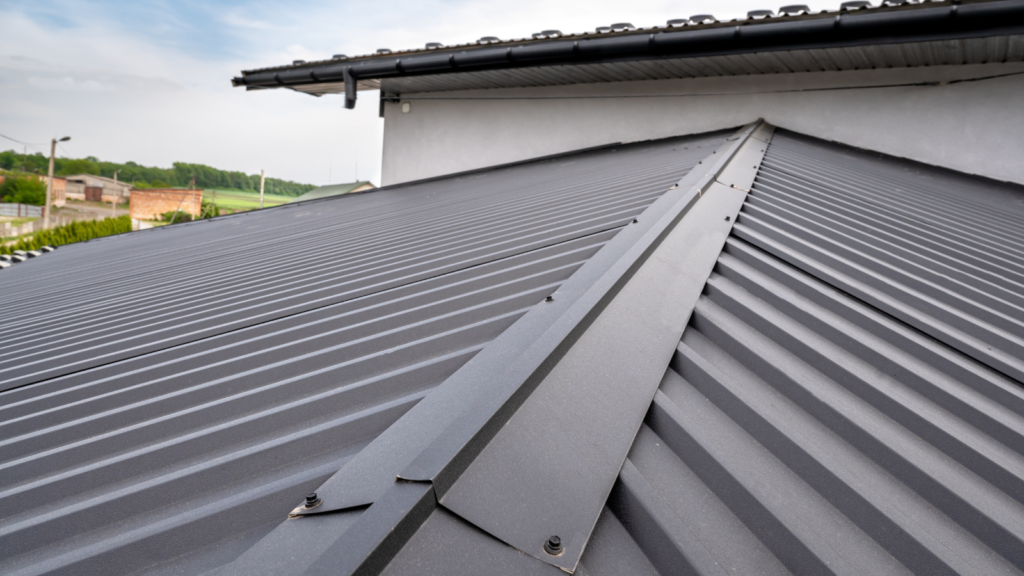
A new roof is one of the most important investments you can make for your home, and homeowners naturally want to know how long that investment will last. Among today’s roofing options, metal roofing has become increasingly popular because of its durability, energy efficiency, and ability to withstand challenging weather conditions. But exactly how long can you expect a metal roof to last in the Midwest?
The answer depends on several factors, including the type of metal roofing material, installation quality, maintenance, and local climate. Understanding the metal roof lifespan helps homeowners make informed decisions about protecting their homes and maximizing long term value.
At Diamond Roofing & Exteriors, we proudly help homeowners throughout Columbia, Waterloo, Alton, Bethalto, Godfrey, Chesterfield, Crystal City, Farmington, Festus, Herculaneum, Hillsboro, Mehlville, Oakville, Pevely, St. Charles, and St. Peters choose roofing systems designed to perform well in Midwest weather conditions.
What Is the Average Metal Roof Lifespan?
One of the biggest advantages of metal roofing is its exceptional longevity.
On average, the metal roof lifespan ranges from:
- Steel roofing: 40 to 70 years
- Aluminum roofing: 40 to 60 years
- Zinc roofing: 80 to 100 years
- Copper roofing: 70 to well over 100 years
For most residential homes in Illinois and nearby Missouri communities, professionally installed steel roofing offers an excellent balance between affordability and long term performance.
Compared to traditional asphalt shingles that often last 20 to 30 years, a quality metal roof may last two or even three times longer.
Why Metal Roofs Last So Long
Metal roofing systems are engineered to withstand conditions that often shorten the life of conventional roofing materials.
These roofs resist:
- Heavy rain
- Snow accumulation
- High winds
- Hail impacts
- UV exposure
- Temperature fluctuations
- Fire
- Mold and mildew
This durability is one of the primary reasons homeowners appreciate the extended metal roof lifespan.
Midwest Weather Can Be Demanding
Homes throughout Illinois and eastern Missouri experience a wide range of weather throughout the year.
Local roofs regularly endure:
- Hot, humid summers
- Freezing winters
- Heavy snowfall
- Ice storms
- Severe thunderstorms
- Strong winds
- Hail
- Rapid temperature changes
These conditions place continuous stress on roofing systems.
Fortunately, properly installed metal roofing performs exceptionally well under these demanding weather patterns.
Factors That Affect Metal Roof Lifespan
Although metal roofs are known for longevity, several variables influence exactly how long they will last.
Quality of Installation
Even premium roofing materials can fail if installed incorrectly.
Professional installation ensures:
- Proper panel alignment
- Correct fastening methods
- Secure flashing
- Adequate ventilation
- Effective drainage
- Manufacturer approved techniques
One of the biggest contributors to a long metal roof lifespan is expert installation by experienced roofing professionals.
Type of Metal Matters
Different metals provide different levels of durability.
Steel Roofing
Steel remains the most common residential option because it offers:
- Excellent strength
- Good affordability
- Protective coatings
- Long service life
Galvanized or Galvalume coatings help prevent corrosion and extend performance.
Aluminum Roofing
Aluminum naturally resists corrosion, making it an excellent choice for humid environments.
Benefits include:
- Lightweight construction
- Rust resistance
- Excellent weather protection
- Long lifespan
Copper Roofing
Copper develops a natural protective patina over time.
It is one of the longest lasting roofing materials available but also one of the most expensive.
Zinc Roofing
Zinc offers remarkable durability and can even self heal minor scratches through its natural weathering process.
Roof Design Also Plays a Role
Roof slope affects water drainage.
Steeper roofs generally:
- Shed water faster
- Reduce standing moisture
- Minimize snow accumulation
- Lower leak potential
Proper design contributes directly to maximizing the metal roof lifespan.
Protective Coatings Extend Performance
Modern metal roofing typically includes protective finishes that improve durability.
These coatings help resist:
- Rust
- Fading
- UV damage
- Scratching
- Corrosion
Premium finishes also help maintain curb appeal for decades.
Routine Maintenance Makes a Difference
Although metal roofing requires relatively little maintenance, occasional inspections help preserve its condition.
Recommended maintenance includes:
- Clearing debris
- Removing leaves from valleys
- Cleaning gutters
- Checking flashing
- Inspecting fasteners
- Looking for sealant wear
Simple maintenance helps homeowners maximize their metal roof lifespan.
Proper Ventilation Is Essential
Many homeowners focus only on roofing materials while overlooking attic ventilation.
Proper ventilation helps:
- Reduce moisture buildup
- Prevent condensation
- Improve energy efficiency
- Extend roofing performance
Poor ventilation may shorten the life of any roofing system, including metal.
How Metal Roofs Compare to Asphalt Shingles
When comparing roofing options, lifespan becomes a major deciding factor.
Asphalt Shingles
Average lifespan:
- 20 to 30 years
Metal Roofing
Average lifespan:
- 40 to 70 years or longer
Although metal roofs often require a larger initial investment, their longevity frequently results in lower lifetime ownership costs.
This is why understanding the metal roof lifespan is important when evaluating long term value rather than only upfront cost.
Energy Efficiency Benefits
Metal roofing reflects a significant portion of the sun’s heat.
This can help:
- Lower attic temperatures
- Improve indoor comfort
- Reduce cooling costs
- Improve overall energy efficiency
Many modern metal roofing systems also qualify for energy efficient roofing programs depending on the product selected.
Resistance to Wind Damage
The Midwest frequently experiences severe storms with damaging winds.
Professionally installed metal roofs can withstand wind speeds exceeding many conventional roofing materials.
Their interlocking panel systems create exceptional resistance against uplift during severe weather.
Snow and Ice Performance
Snow accumulation can create considerable weight on residential roofs.
Metal roofing naturally allows snow to slide more easily than many traditional roofing materials.
Benefits include:
- Reduced snow buildup
- Less standing moisture
- Improved drainage
- Lower ice dam risk
This contributes positively to the overall metal roof lifespan.
Fire Resistance
Metal roofing is non combustible.
This provides added protection compared to many other roofing materials.
Although no roof completely eliminates fire risks, metal roofing offers excellent fire resistance that many homeowners appreciate.
Environmentally Friendly Roofing
Metal roofing is one of the most environmentally responsible roofing options available.
Many products contain recycled materials.
Additionally:
- Roofing panels are recyclable
- Long lifespan reduces landfill waste
- Fewer replacements conserve resources
Its durability makes metal roofing both practical and sustainable.
Can Hail Damage a Metal Roof?
One common concern involves hail.
Most quality metal roofing withstands hail remarkably well.
Depending on hail size and storm severity, homeowners may notice:
- Minor cosmetic dents
- Little to no structural damage
- Continued weather protection
Professional inspections following severe storms remain recommended to ensure the roofing system remains in excellent condition.
Common Signs of Aging
Although metal roofs last for decades, homeowners should watch for signs that maintenance or repairs may be needed.
These include:
- Loose fasteners
- Damaged flashing
- Sealant deterioration
- Surface scratches
- Corrosion around penetrations
- Minor leaks
Addressing small concerns early helps protect the overall metal roof lifespan.
Why Professional Installation Matters
Installation quality directly impacts roofing performance.
Experienced contractors understand:
- Panel spacing
- Fastener placement
- Expansion and contraction
- Flashing installation
- Ventilation requirements
- Local building codes
Even premium roofing materials cannot reach their expected lifespan if installed incorrectly.
Does Roof Color Affect Longevity?
Roof color itself does not significantly change structural lifespan.
However, lighter colored metal roofs may:
- Reflect more sunlight
- Stay cooler
- Improve summer energy efficiency
The protective finish applied to the roofing panels generally has a greater impact than color alone.
Maintenance Tips for Maximum Lifespan
To help your roof last as long as possible:
- Schedule annual inspections.
- Inspect after major storms.
- Remove tree branches touching the roof.
- Keep gutters clean.
- Repair damaged flashing promptly.
- Avoid unnecessary foot traffic.
- Trim overhanging trees.
These simple habits can significantly extend the metal roof lifespan.
Is a Metal Roof Worth the Investment?
Although metal roofing often costs more initially than asphalt shingles, homeowners frequently recover that investment through:
- Longer service life
- Lower maintenance costs
- Reduced replacement frequency
- Better energy efficiency
- Increased home value
- Improved weather resistance
When viewed over several decades, metal roofing often proves to be an excellent long term investment.
Why Homeowners Trust Diamond Roofing & Exteriors
Diamond Roofing & Exteriors provides professional roofing services designed specifically for Midwest homes. Our experienced team understands how local weather affects roofing materials and helps homeowners choose systems built for long lasting performance.
Whether you are considering your first metal roof or replacing an aging roofing system, we provide expert guidance, quality workmanship, and dependable customer service throughout every stage of your project.
We proudly serve homeowners across Columbia, Waterloo, Alton, Bethalto, Godfrey, Chesterfield, Crystal City, Farmington, Festus, Herculaneum, Hillsboro, Mehlville, Oakville, Pevely, St. Charles, and St. Peters with roofing solutions tailored to our region’s unique climate.
When Should You Replace an Older Roof?
If your current roof shows signs of deterioration, it may be time to schedule a professional inspection.
Common warning signs include:
- Frequent leaks
- Missing roofing materials
- Sagging roof sections
- Rusted flashing
- Storm damage
- Aging shingles
- Rising energy bills
A professional evaluation can determine whether repairs are sufficient or if replacement is the better long term solution.
Final Thoughts
A quality metal roof is one of the most durable and dependable roofing systems available for Midwest homeowners. With proper installation, routine maintenance, and quality materials, the metal roof lifespan often reaches 40 to 70 years or more, making it one of the smartest long term investments for protecting your home.
From resisting harsh weather and improving energy efficiency to increasing property value and reducing maintenance, metal roofing offers benefits that continue year after year.
If you are considering upgrading your roof, Diamond Roofing & Exteriors is here to help. Our experienced team proudly serves Columbia, Waterloo, Alton, Bethalto, Godfrey, Chesterfield, Crystal City, Farmington, Festus, Herculaneum, Hillsboro, Mehlville, Oakville, Pevely, St. Charles, and St. Peters with expert roofing solutions designed to deliver lasting performance, exceptional craftsmanship, and peace of mind for decades to come.
