
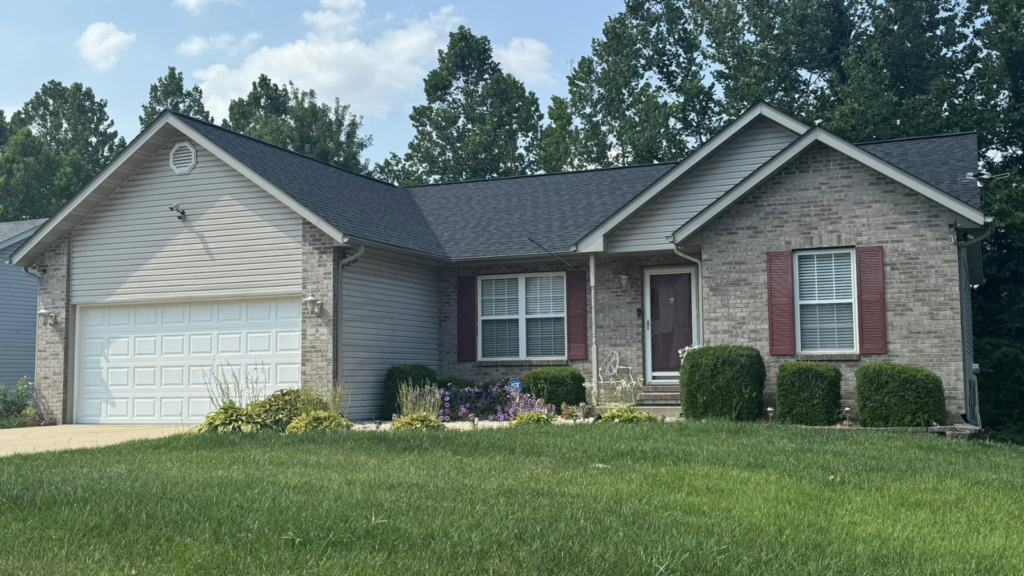
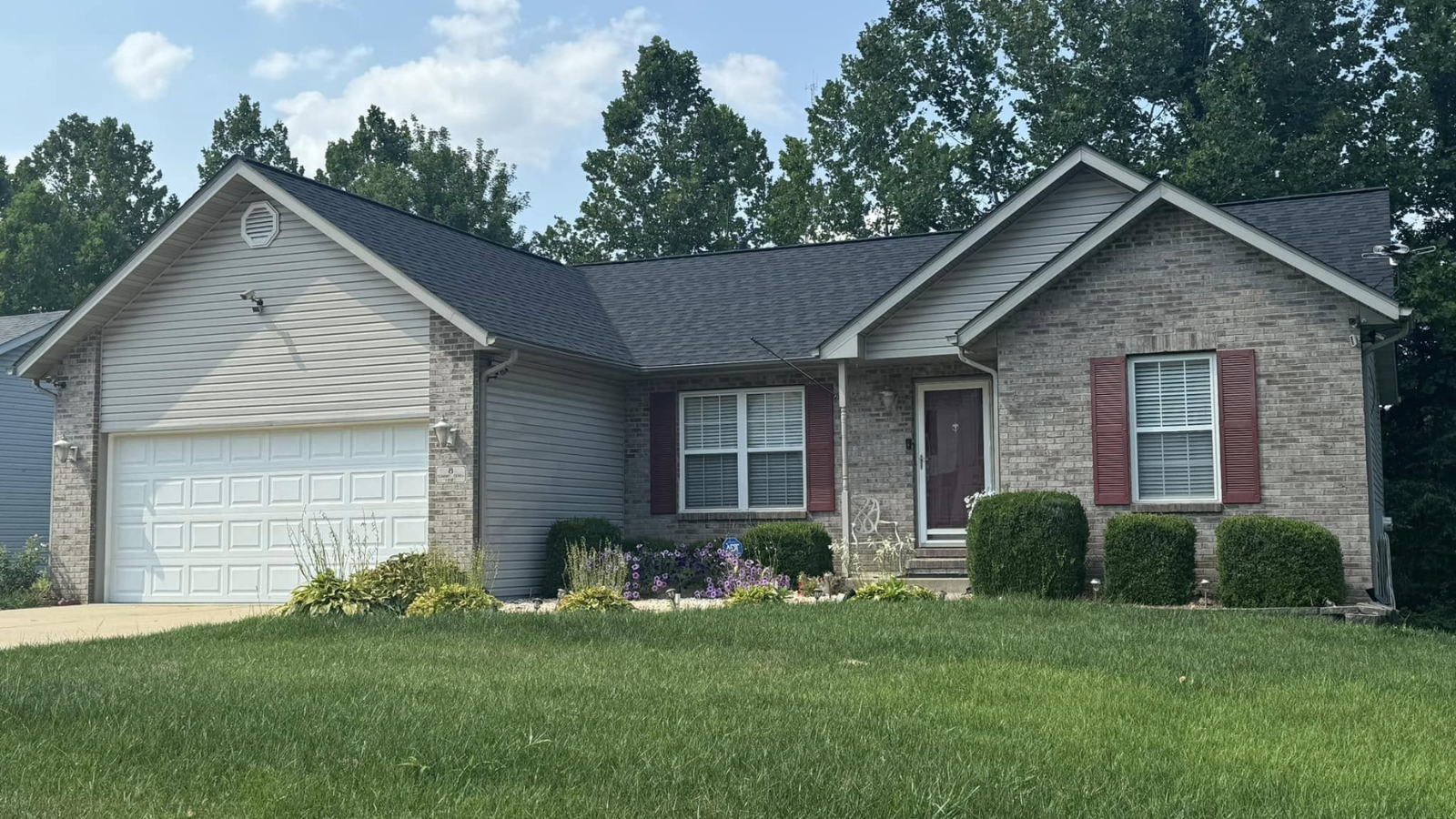
Severe weather can leave a lasting impact on your home, even when the damage does not appear serious at first. After a storm passes through Columbia, Illinois, many homeowners inspect their properties from the ground, look for obvious problems, and move on if everything seems intact.
Unfortunately, storm damage is not always easy to see.
A few lifted shingles, a small flashing gap, hail bruising, or a minor puncture may not immediately produce an active leak. However, these issues can gradually allow moisture into the roofing system and create larger problems over time.
Understanding the untreated storm damage effects homeowners may experience can help you recognize why early inspections and repairs matter. What begins as a small roofing concern can eventually affect roof decking, insulation, ceilings, siding, framing, energy efficiency, indoor comfort, and even the overall value of your property.
At Diamond Roofing & Exteriors, we help homeowners throughout Columbia, Waterloo, Alton, Bethalto, Godfrey, Chesterfield, Crystal City, Farmington, Festus, Herculaneum, Hillsboro, Mehlville, Oakville, Pevely, St. Charles, and St. Peters inspect and restore their homes after severe weather.
Why Storm Damage Should Never Be Ignored
Your roofing system is designed to create layers of protection against rain, wind, snow, heat, and other weather conditions.
When one of those layers becomes damaged, the entire system may become more vulnerable.
Storms can affect:
- Shingles
- Roof decking
- Underlayment
- Flashing
- Ridge caps
- Roof vents
- Gutters
- Soffit
- Fascia
- Siding
- Skylights
- Chimneys
Some problems are immediately obvious. Others develop gradually.
One of the most important untreated storm damage effects is that damage can continue progressing long after the storm has ended.
A lifted shingle may allow water to enter during the next rainstorm. A hail bruise may weaken over months of sun exposure. Loose flashing may eventually separate enough to create a recurring leak.
Time often makes storm damage more expensive rather than less significant.
Small Roof Leaks Can Become Major Water Problems
A small leak may not seem urgent, especially if it only appears during heavy rain.
However, water can travel far beyond the original entry point.
Moisture may move through:
- Damaged roofing materials
- Underlayment
- Roof decking
- Rafters
- Insulation
- Ceilings
- Interior walls
By the time water becomes visible inside your living space, it may have already affected several layers of the home.
One of the most common untreated storm damage effects is progressive moisture damage.
Instead of repairing a few damaged shingles, homeowners may eventually need to replace wet insulation, deteriorated decking, damaged drywall, or interior finishes.
Roof Decking Can Begin to Rot
Roof decking provides the structural surface beneath shingles, metal panels, or other roofing materials.
It is typically made from plywood or oriented strand board.
When decking remains dry, it provides a strong surface for roofing fasteners.
Repeated moisture exposure can cause decking to:
- Swell
- Warp
- Delaminate
- Become soft
- Develop rot
- Lose fastener strength
Once decking begins deteriorating, shingles may no longer remain securely attached.
This can create additional vulnerability during future storms.
Repairing damaged decking typically requires removing roofing materials above the affected area. That means a relatively minor storm problem can eventually require a much more extensive repair.
Mold and Mildew May Develop
Moisture entering through a damaged roof can create conditions where mold and mildew may develop.
Potential areas include:
- Attic insulation
- Roof decking
- Rafters
- Ceiling materials
- Interior walls
Mold requires moisture, and a recurring roof leak can provide a continuous source.
One of the less visible untreated storm damage effects is moisture accumulating in areas homeowners rarely inspect.
A ceiling may look normal while insulation above it remains damp.
Musty odors, discoloration, or visible growth may eventually indicate a moisture problem.
The most important step is identifying and repairing the source of water intrusion.
Wet Insulation Can Reduce Energy Efficiency
Attic insulation helps control heat transfer between your living space and the outdoors.
When insulation becomes wet, its effectiveness may decline.
This can contribute to:
- Uneven indoor temperatures
- Higher heating costs
- Higher cooling costs
- Increased HVAC workload
- Reduced indoor comfort
Water intrusion from storm damage can sometimes remain concentrated in the attic for long periods before homeowners notice it.
As moisture spreads, insulation may compress, deteriorate, or require replacement.
This makes energy inefficiency another possible consequence of delaying storm-related roof repairs.
Structural Wood May Be Affected
Persistent moisture can eventually reach roof framing and other structural wood.
Components potentially affected include:
- Rafters
- Trusses
- Joists
- Wall framing
Wood is durable when kept dry, but long-term moisture exposure can contribute to decay.
This represents one of the more serious untreated storm damage effects because structural repairs can become considerably more complicated than surface roofing repairs.
Signs that may indicate structural concerns include:
- Sagging roof sections
- Uneven rooflines
- Soft decking
- Ceiling movement
- Visible wood deterioration
Structural concerns should always be evaluated professionally.
Hail Damage Can Continue Deteriorating
Hail damage does not always create an immediate hole in the roof.
On asphalt shingles, hail may cause:
- Granule loss
- Bruising
- Cracks
- Damage to the fiberglass mat
- Exposed asphalt
Protective granules help shield asphalt shingles from ultraviolet radiation.
When hail removes those granules, the exposed material may deteriorate faster under sunlight and weather exposure.
A damaged area that does not leak immediately may weaken over time.
This delayed deterioration is one reason homeowners should not assume their roof is fine simply because no water entered the home immediately after a hailstorm.
Wind Damage Can Become Worse During Future Storms
Strong winds can lift shingles without completely removing them.
When shingles lift, their adhesive seals may break.
After the storm passes, those shingles may settle back into place and appear normal.
However, they may no longer be properly sealed.
During the next high-wind event, the same shingles may lift more easily or tear completely away.
One of the most overlooked untreated storm damage effects is increased vulnerability to future storms.
Damage from one weather event can weaken the roof enough that the next storm causes significantly more harm.
Damaged Flashing Can Cause Recurring Leaks
Flashing is installed around roof intersections and penetrations where water intrusion is more likely.
Common flashing locations include:
- Chimneys
- Skylights
- Roof valleys
- Plumbing vents
- Sidewalls
- Dormers
- Roof edges
Storms can loosen, bend, crack, or damage flashing.
Even a small gap may allow water beneath roofing materials.
Because flashing leaks often occur during specific wind directions or heavy rain conditions, homeowners may assume the problem has disappeared when several dry weeks pass.
In reality, the opening may remain.
Professional repairs address the flashing itself rather than repeatedly applying temporary sealant.
Damaged Gutters Can Affect More Than the Roof
Hail, wind, falling branches, and debris can damage gutters and downspouts.
Problems may include:
- Dents
- Loose sections
- Broken hangers
- Cracks
- Clogs
- Improper slope
- Detached downspouts
When gutters do not drain properly, rainwater may overflow near the roof edge or foundation.
This can contribute to:
- Fascia damage
- Soffit deterioration
- Siding stains
- Foundation moisture
- Soil erosion
- Basement water problems
The untreated storm damage effects may therefore extend well beyond the roof itself.
Your roof, gutters, siding, and drainage system work together to direct water away from the home.
Fascia and Soffit Damage Can Spread
Fascia and soffit protect important areas along the edge and underside of the roof.
Storm damage may loosen panels, damage wood, or create openings.
If water reaches these materials repeatedly, homeowners may experience:
- Rot
- Peeling paint
- Pest entry
- Mold
- Loose gutters
- Damaged ventilation
These problems can gradually spread into adjacent roofing and wall materials.
Repairing storm damage early can help preserve these connected exterior components.
Siding Damage Can Allow Moisture Into Walls
Storms often affect more than roofing.
Wind-driven debris and hail can crack, dent, loosen, or puncture siding.
Small siding damage may appear cosmetic, but openings can expose the weather barrier and sheathing underneath.
Moisture entering behind siding may contribute to:
- Rot
- Mold
- Insulation damage
- Interior wall staining
- Pest activity
One of the broader untreated storm damage effects homeowners should understand is that exterior damage can compromise multiple building systems at once.
A complete storm inspection should evaluate the roof and surrounding exterior components.
Interior Ceiling Damage May Spread
A small ceiling stain is often one of the first visible signs of a roof leak.
Ignoring it can allow moisture to continue affecting drywall.
Eventually, homeowners may notice:
- Larger stains
- Peeling paint
- Bubbling finishes
- Soft drywall
- Sagging ceiling sections
Water-damaged drywall may eventually need replacement.
If moisture reaches electrical fixtures, additional safety concerns can develop.
Never touch wet electrical fixtures or wiring.
If water is entering near lights, outlets, or electrical components, appropriate professional assistance should be contacted.
Interior Walls Can Become Damaged
Roof leaks do not always move straight downward.
Water may travel along rafters, beams, or framing before entering wall cavities.
Interior wall damage may include:
- Bubbling paint
- Peeling wallpaper
- Discoloration
- Soft drywall
- Musty odors
Because the source may be far from the visible damage, professional diagnosis is often necessary.
Repairing only the interior wall without correcting the roof leak will usually allow the problem to return.
Repeated Moisture Can Damage Paint and Finishes
Interior finishes are not designed for recurring moisture.
Repeated leaks can damage:
- Paint
- Drywall
- Ceiling texture
- Wood trim
- Flooring
Cosmetic repairs may seem straightforward, but they should occur only after the source of moisture has been corrected.
Otherwise, stains and damage are likely to return.
Electrical Components May Be Exposed to Moisture
Water and electrical systems are a dangerous combination.
Roof leaks may allow water to reach:
- Ceiling lights
- Electrical wiring
- Junction boxes
- Outlets
If water appears near electrical components, avoid touching the area.
Persistent leaks increase the possibility that moisture will travel into parts of the home that create electrical hazards.
This is another reason the untreated storm damage effects should not be underestimated.
A roofing problem can eventually become an interior safety issue.
Pest Entry Can Become Easier
Storm damage may create small openings around:
- Roof edges
- Soffits
- Fascia
- Vents
- Siding
- Flashing
These openings can provide access for insects, birds, or small animals.
Once pests enter attic or wall spaces, they may damage:
- Insulation
- Wiring
- Wood
- Stored belongings
Repairing storm-created openings can help keep the home sealed against unwanted pests.
Roof Ventilation Can Be Compromised
Roof vents can be damaged by hail, debris, or strong winds.
If ventilation becomes blocked or damaged, attic heat and moisture may increase.
Poor ventilation can contribute to:
- Excess attic heat
- Condensation
- Mold concerns
- Premature shingle aging
- Reduced insulation performance
The untreated storm damage effects may therefore include problems that are not directly caused by water leaks.
A damaged ventilation system can influence the overall performance of the roof.
Future Storms Can Cause More Severe Damage
A roof weakened by one storm may be less capable of handling the next.
For example:
- Lifted shingles can tear away
- Cracked materials can break
- Loose flashing can separate
- Damaged gutters can detach
- Weak decking can deteriorate further
This creates a compounding effect.
Homeowners who postpone repairs may eventually face much more extensive damage after another severe weather event.
Repair Costs Can Increase Over Time
One of the clearest reasons to address storm damage promptly is cost.
Consider a simple example.
A storm damages several shingles.
If repaired early, the work may involve replacing those shingles and checking the surrounding area.
If ignored, moisture may reach the decking.
Later, repairs might require:
- Removing shingles
- Replacing decking
- Replacing insulation
- Repairing drywall
- Repainting ceilings
The original roofing problem remains, but additional damage has dramatically increased the scope of work.
One of the most financially significant untreated storm damage effects is the possibility of turning a limited repair into a much larger restoration project.
Your Roof’s Lifespan May Be Shortened
Roofing materials are designed to provide years of service when properly installed and maintained.
Storm damage can reduce that expected lifespan.
Examples include:
- Hail removing protective granules
- Wind breaking shingle seals
- Water weakening decking
- Flashing deterioration
- Repeated moisture exposure
Addressing isolated problems promptly can help preserve portions of the roofing system that remain in good condition.
Ignoring damage may accelerate overall deterioration.
Home Value and Marketability May Be Affected
Roof condition matters when selling a home.
Potential buyers and inspectors may identify:
- Water stains
- Roof leaks
- Damaged shingles
- Mold
- Rot
- Deteriorated decking
- Aging repairs
A home with unresolved roofing issues may raise concerns about future repair expenses.
Maintaining and documenting professional storm repairs can provide greater confidence to future buyers.
Storm Damage May Affect Curb Appeal
Not all storm damage is structural.
Hail and wind may leave:
- Missing shingles
- Dented gutters
- Cracked siding
- Damaged fascia
- Discolored exterior materials
These problems can make an otherwise well-maintained home appear neglected.
Prompt exterior repairs restore both protection and appearance.
Insurance Timing Can Matter
Homeowners insurance policies vary significantly.
Certain policies may provide coverage for sudden storm damage, depending on the cause, roof condition, exclusions, deductible, and other terms.
There may also be requirements related to reporting damage.
Homeowners should contact their insurance provider directly to understand their policy.
A roofing contractor can document damage and provide repair estimates, but insurance companies make coverage decisions.
Waiting too long can also make it more difficult to determine whether damage resulted from a particular storm or from subsequent deterioration.
Why Temporary Repairs Are Not Long-Term Solutions
Emergency tarps and temporary sealants can be useful immediately following storms.
However, these are not substitutes for permanent roofing repairs.
Temporary solutions may deteriorate under:
- Sunlight
- Wind
- Rain
- Temperature changes
A tarp that protects your home for a short period should not remain indefinitely.
Professional repair should address the underlying damaged roofing materials.
Warning Signs of Untreated Storm Damage
Homeowners should watch for changes after severe weather.
Possible warning signs include:
- Missing shingles
- Curled shingles
- Loose roofing materials
- Granules in gutters
- Ceiling stains
- Damp insulation
- Musty odors
- Loose flashing
- Sagging roof sections
- Dented gutters
- Cracked siding
- Water near windows
- Peeling interior paint
Any of these conditions may justify a professional inspection.
Identifying untreated storm damage effects early can help homeowners make informed decisions before damage spreads.
Why Ground-Level Inspections Are Not Enough
Homeowners can perform valuable visual checks from the ground, but many roofing problems cannot be seen from that distance.
Subtle damage may include:
- Shingle bruising
- Broken adhesive seals
- Small flashing gaps
- Damaged pipe boots
- Cracked vents
- Minor punctures
Avoid climbing onto a damaged roof yourself.
Storm-damaged roofing may be slippery, unstable, or covered with loose materials.
Professional roofing contractors have the equipment and training needed to perform closer inspections.
What a Professional Storm Inspection Includes
A complete inspection may evaluate:
- Shingles
- Ridge caps
- Valleys
- Flashing
- Roof vents
- Chimneys
- Skylights
- Pipe boots
- Gutters
- Downspouts
- Soffit
- Fascia
- Siding
- Attic conditions
Photographs and documentation may be used to explain findings.
A professional inspection can help determine whether damage requires monitoring, repair, or replacement.
Repair vs. Replacement After Storm Damage
Not every storm-damaged roof requires replacement.
Repairs may be appropriate when:
- Damage is isolated
- The roof is relatively young
- Decking remains healthy
- Matching materials are available
- The surrounding roofing system is in good condition
Replacement may be considered when:
- Damage is widespread
- Multiple areas are leaking
- Decking is extensively damaged
- The roofing system is already near the end of its service life
- Matching materials are unavailable
- Previous repairs are failing
The right recommendation should be based on the actual roof condition.
How Homeowners Can Reduce Future Storm Risks
No home can be completely protected from severe weather, but regular maintenance can reduce some vulnerabilities.
Helpful steps include:
- Keeping gutters clear
- Trimming overhanging branches
- Repairing loose shingles
- Maintaining flashing
- Checking attic ventilation
- Scheduling periodic inspections
- Addressing leaks promptly
- Removing accumulated roof debris
Maintenance makes it easier to identify new storm damage because existing problems have already been addressed.
Why Local Roofing Experience Matters
Homes throughout Columbia and surrounding areas experience a wide variety of weather conditions.
These may include:
- Severe thunderstorms
- Hail
- Strong winds
- Heavy rainfall
- Snow
- Ice
- Summer heat
- Freezing temperatures
A local roofing contractor understands how these conditions affect common residential roofing systems.
Regional experience can help identify the untreated storm damage effects most likely to develop after weather events in Southern Illinois and the greater St. Louis region.
Why Choose Diamond Roofing & Exteriors?
At Diamond Roofing & Exteriors, we know that storm damage can create uncertainty for homeowners.
Sometimes the damage is obvious. Other times, the roof looks normal while problems are developing underneath.
Our team proudly serves homeowners in:
- Columbia
- Waterloo
- Alton
- Bethalto
- Godfrey
- Chesterfield
- Crystal City
- Farmington
- Festus
- Herculaneum
- Hillsboro
- Mehlville
- Oakville
- Pevely
- St. Charles
- St. Peters
Our services include roof inspection, roof repair, roof replacement, storm damage restoration, metal roofing, vinyl siding, gutters, and exterior solutions.
We focus on quality workmanship, clear communication, dependable materials, and practical recommendations based on the condition of each property.
Our goal is to help homeowners understand what has happened to their roofing system and what steps may be necessary to protect the home for the long term.
Final Thoughts
Storm damage does not disappear simply because the weather clears.
Small roofing vulnerabilities can gradually become larger problems when they remain untreated.
Water may reach roof decking, insulation, framing, ceilings, and walls. Damaged shingles may become more vulnerable to future storms. Gutters and siding can deteriorate. Moisture may reduce insulation effectiveness and create conditions where mold can develop.
Understanding the untreated storm damage effects helps homeowners recognize why early inspections and repairs are so valuable.
A small repair today may help prevent a much larger restoration project later.
Homeowners should safely inspect their properties after significant storms, watching for missing materials, gutter damage, siding damage, interior moisture, and other warning signs. However, many storm-related roofing problems cannot be identified from ground level.
Professional inspections can reveal the untreated storm damage effects that might otherwise continue unnoticed.
If your Columbia-area home has experienced hail, strong winds, heavy rain, or falling debris, contact Diamond Roofing & Exteriors. Our team can inspect your roofing and exterior systems, explain what we find, and recommend practical repairs designed to help prevent the untreated storm damage effects from becoming larger and more expensive problems over time.
