
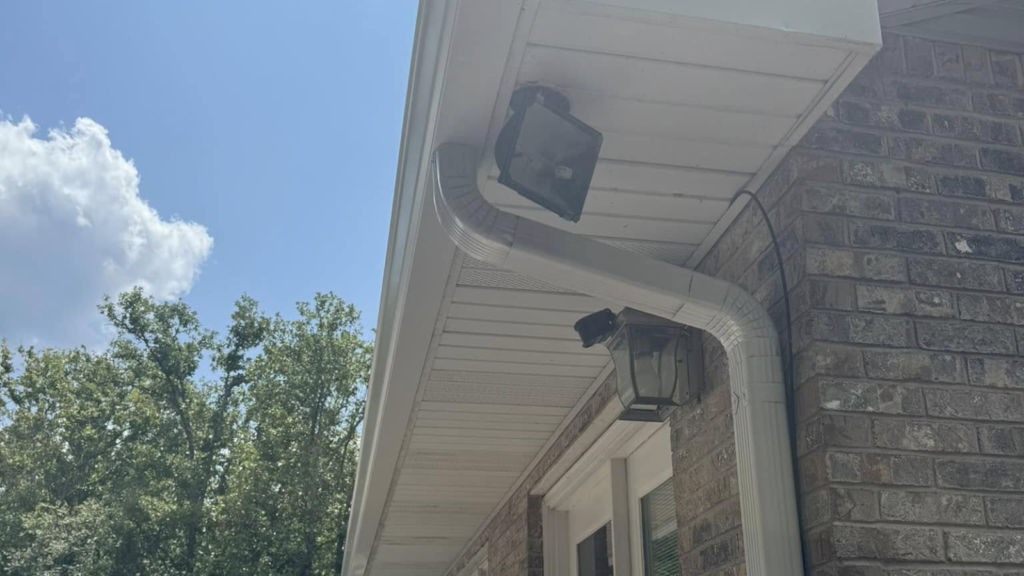
Your gutter system may not be the first part of your home you think about when considering exterior maintenance, but it plays an essential role in protecting your roof, siding, foundation, landscaping, and other structural components. When gutters begin pulling away from the house, that protection can quickly become less effective.
A small gap between the gutter and fascia may initially look like a cosmetic issue. In reality, it may indicate loose fasteners, damaged fascia boards, excessive debris weight, improper gutter slope, or deterioration caused by years of exposure to rain and changing temperatures.
Knowing when sagging gutter repair is necessary can help Columbia homeowners address these problems before water begins flowing where it should not.
At Diamond Roofing & Exteriors, we help homeowners throughout Columbia, Waterloo, Alton, Bethalto, Godfrey, Chesterfield, Crystal City, Farmington, Festus, Herculaneum, Hillsboro, Mehlville, Oakville, Pevely, St. Charles, and St. Peters protect their homes with dependable roofing, siding, gutter, and exterior solutions.
Why Gutters Need to Stay Securely Attached
Gutters have a relatively straightforward job: collect rainwater from the roof and move it through downspouts so it can be directed away from your home.
However, they must remain properly positioned to do that job effectively.
When gutters are installed correctly, they are secured along the fascia and slightly sloped toward downspouts. This allows gravity to keep water moving.
If a gutter starts separating from the fascia, its slope may change.
Water can then:
- Pool inside the gutter
- Overflow near the roof edge
- Run behind the gutter
- Reach the fascia and soffit
- Flow down siding
- Collect near the foundation
Professional sagging gutter repair helps restore proper alignment and drainage before these issues cause more extensive exterior damage.
Sign #1: A Visible Gap Between the Gutter and Fascia
One of the clearest warning signs is a visible space between your gutter and the fascia board behind it.
Gutters should normally sit securely against the fascia.
If you can see daylight between the two surfaces or notice the gutter pulling forward, the fasteners may have loosened or the fascia itself may be deteriorating.
The separation may begin in one small area and gradually spread along the gutter run.
This problem deserves attention because rainwater can travel behind the gutter instead of entering it.
Over time, repeated moisture may affect fascia, soffit, siding, and other nearby materials.
Sign #2: The Gutter Looks Uneven
Stand back from your house and look along the gutter line.
A properly installed gutter should appear relatively straight while maintaining a subtle slope toward the downspout.
If you notice sections that:
- Dip downward
- Bow outward
- Sit lower than neighboring sections
- Appear twisted
- Have noticeably changed position
the gutter may no longer be securely supported.
A visibly uneven gutter is one of the most common indicators that sagging gutter repair should be considered.
Sign #3: Water Pools Inside the Gutters
Water should move through gutters toward the downspouts rather than remain inside for long periods.
Standing water may indicate:
- Improper slope
- Clogged downspouts
- Debris buildup
- Sagging sections
- Damaged gutter supports
Pooling water adds additional weight to the system, potentially making sagging worse.
The longer water remains in the gutter, the greater the strain placed on hangers and fasteners.
Standing water can also create additional concerns during freezing weather because it may turn into ice and add even more weight.
Sign #4: Water Spills Over the Gutter Edge
Overflowing gutters are often blamed entirely on leaves and debris.
Clogs are certainly a common cause, but sagging can also create overflow.
If part of the gutter sits too low, water may collect there faster than it can reach the downspout.
During heavy rain, it may spill over the edge.
Look for signs such as:
- Water pouring over one section
- Soil erosion directly beneath gutters
- Splash marks on siding
- Mulch being displaced
- Water collecting near the foundation
If the gutters are clean but continue overflowing, their alignment should be evaluated.
Sign #5: Gutters Move or Shake During Rain
Your gutters should remain stable during normal rainfall.
If they visibly shake, move, or pull away when water enters them, the hangers or fasteners may no longer be providing enough support.
This movement can gradually enlarge fastener holes and place additional strain on the fascia.
Professional sagging gutter repair may involve securing or replacing the hardware, but the underlying fascia should also be inspected before new fasteners are installed.
Sign #6: Loose Gutter Fasteners
Many gutter systems use hidden hangers or other fasteners to secure the gutter to the fascia.
Over time, these components can loosen because of:
- Repeated water weight
- Ice
- Wind
- Temperature changes
- Rotting fascia
- Improper installation
- Normal material movement
You may notice screws, nails, or other hardware on the ground near your home.
Missing fasteners should not be ignored. Each one reduces the support available to the gutter system and increases the load placed on neighboring attachment points.
Sign #7: Cracked or Rotting Fascia
Sometimes the gutter itself is not the main problem.
The fascia board supporting it may have deteriorated.
Fascia damage can result from:
- Water overflowing from clogged gutters
- Roof-edge leaks
- Improper drip edge installation
- Long-term moisture exposure
- Pest activity
Signs of fascia deterioration include:
- Peeling paint
- Discoloration
- Soft wood
- Cracks
- Visible rot
- Loose gutter attachments
If fasteners are installed into deteriorated wood, they may not remain secure.
Effective sagging gutter repair should therefore include evaluating the material supporting the gutter.
Sign #8: Water Is Running Behind the Gutter
Water should flow from the roof surface into the gutter.
If you notice water running between the gutter and fascia, there may be an alignment, flashing, or roof-edge problem.
Possible causes include:
- Gutter separation
- Damaged drip edge
- Improper gutter placement
- Loose fasteners
- Fascia deterioration
Water flowing behind the gutter can gradually damage wood components that were never intended for repeated moisture exposure.
This problem should be inspected rather than simply sealed with caulk.
Sign #9: Gutters Are Pulling Down at the Corners
Corners and connections can experience additional stress because they manage water moving between gutter sections.
If a corner begins dropping or separating, you may notice:
- Leaks at the joint
- Visible sagging
- Water pooling
- Loose hardware
- Gaps between sections
The cause should be identified before repairs are made.
Simply adding sealant to a leaking corner will not correct a gutter that has physically shifted out of position.
Sign #10: Downspouts No Longer Line Up Properly
Sagging gutters can change the relationship between gutters and downspouts.
If a gutter shifts, the downspout connection may become:
- Loose
- Misaligned
- Partially separated
- Leaky
You may notice water escaping near the top of the downspout rather than flowing through it.
Because the entire drainage system works together, professional sagging gutter repair should include checking downspout connections and discharge locations.
What Causes Gutters to Pull Away From a House?
Several factors can cause gutters to sag or separate from the fascia.
Understanding the cause is important because simply pushing the gutter back into place may not provide a lasting solution.
Clogged Gutters
Debris buildup is one of the most common causes of gutter problems.
Leaves, twigs, seeds, roofing granules, and other materials can accumulate inside the system.
When rainwater cannot flow freely, the combination of debris and standing water becomes heavy.
That additional weight places stress on:
- Hangers
- Screws
- Fascia
- Gutter seams
Eventually, sections may begin pulling away.
Regular cleaning can help prevent this problem.
Heavy Rainfall
Gutters are designed to handle rainwater, but severe storms can place significant temporary loads on the system.
If gutters are already partially clogged or poorly supported, heavy rainfall can accelerate sagging.
Columbia and surrounding communities can experience thunderstorms with periods of intense rainfall, making proper drainage especially important.
A well-maintained gutter system should move water efficiently even during substantial rain events.
Snow and Ice
Winter weather can also contribute to gutter separation.
Snow and ice may collect inside or along gutter edges.
Ice is particularly heavy.
If gutters contain standing water before temperatures fall below freezing, that water can freeze and add considerable weight.
Repeated freezing and thawing can also stress seams and fasteners.
Homeowners who notice movement after winter may need sagging gutter repair before spring rains arrive.
Improper Gutter Installation
Gutters can fail prematurely when they were not installed correctly.
Common installation concerns include:
- Hangers spaced too far apart
- Incorrect fasteners
- Poor slope
- Insufficient attachment
- Improper positioning relative to the roof
- Fasteners installed into weak material
Even high-quality gutters may sag when the support system is inadequate.
Professional evaluation can determine whether repairing individual areas is sufficient or whether installation problems affect the entire system.
Aging Gutter Hardware
Gutter hangers and fasteners are constantly exposed to weather and physical stress.
Over many years, hardware may:
- Corrode
- Loosen
- Bend
- Pull out
- Lose strength
Older gutter systems may require new hardware even when the gutter material itself remains usable.
Damaged Fascia Boards
Gutters depend on solid support.
When fascia boards become soft or rotten, fasteners may gradually pull free.
In this situation, installing larger screws into the same damaged wood may only provide temporary improvement.
The affected fascia should be repaired or replaced before the gutter is securely reattached.
Tree and Branch Damage
Falling branches can bend gutters, damage hangers, or pull sections away from the home.
Even branches that do not fall completely can cause problems if they repeatedly rub against gutters during windy conditions.
After a major storm, check your gutter system from the ground for:
- Dents
- Loose sections
- Visible sagging
- Fallen debris
- Damaged downspouts
A professional inspection can identify additional damage that may not be obvious from the yard.
Why Sagging Gutters Should Not Be Ignored
A gutter pulling away from your house is not just an appearance issue.
It can affect several parts of the home.
Delaying sagging gutter repair may allow drainage problems to become more extensive and expensive.
Fascia Damage
When water runs behind a sagging gutter, fascia boards may remain wet.
Repeated moisture exposure can contribute to rot and deterioration.
Once fascia weakens, the gutter loses even more support, creating a cycle in which both problems continue to worsen.
Soffit Damage
Water overflowing or moving behind gutters can also reach the soffit beneath the roof overhang.
Signs may include:
- Staining
- Peeling paint
- Warped panels
- Soft wood
- Mold or mildew
Soffit damage should be investigated because it may indicate an ongoing drainage or roof-edge problem.
Siding Damage
Overflowing gutters can send water directly down exterior walls.
Over time, this may create:
- Staining
- Mold or mildew
- Deteriorated finishes
- Moisture behind siding
Correct drainage helps protect siding and maintain the overall appearance of the home.
Foundation Problems
One of the primary purposes of gutters is to move water away from the foundation.
When gutters sag or overflow, water may collect directly beside the house.
Repeated saturation can contribute to:
- Soil erosion
- Foundation moisture
- Basement or crawl space dampness
- Landscape damage
Timely sagging gutter repair helps restore proper drainage before these problems develop.
Landscape Erosion
Water pouring over a gutter edge can wash away mulch, soil, and landscaping.
You may notice small channels forming beneath problem areas.
Although landscape erosion may seem minor compared with roof damage, it is a useful warning sign that the gutter system is not directing water correctly.
Roof Edge Damage
Gutter problems can also affect roofing components.
Standing water, ice, and improper drainage may contribute to moisture exposure near:
- Drip edges
- Roof decking
- Fascia
- Soffits
Roof and gutter systems should work together to direct water away from the structure.
Can Sagging Gutters Be Repaired?
In many cases, yes.
Whether repair is appropriate depends on:
- Extent of sagging
- Condition of the gutter material
- Condition of the fascia
- Number of failed fasteners
- Presence of cracks or corrosion
- Overall gutter age
- Installation quality
Minor problems may require new hangers, fasteners, or alignment adjustments.
More extensive deterioration may make gutter replacement the better long-term option.
What Professional Sagging Gutter Repair May Include
Professional sagging gutter repair begins with determining why the gutter moved in the first place.
Depending on the findings, work may include:
- Removing debris
- Correcting gutter slope
- Replacing hangers
- Installing appropriate fasteners
- Repairing fascia
- Reconnecting downspouts
- Sealing appropriate joints
- Replacing damaged sections
The goal is not simply to make the gutter look straight again. The drainage system should also function properly after the repair.
Why Gutter Slope Matters
Gutters may look level, but they typically need a slight slope toward the downspout.
If the slope is incorrect, water may remain inside the system.
Standing water adds weight and can accelerate sagging.
Too much slope can also create problems by affecting appearance and water movement.
Professional installation helps ensure that the gutter is positioned correctly for effective drainage.
Repair vs. Gutter Replacement
Not every sagging gutter requires complete replacement.
Repair may make sense when:
- Damage affects only a small area
- Gutter material remains sound
- Fascia can be repaired
- Most hangers remain secure
- Proper slope can be restored
Replacement may be more appropriate when:
- Multiple sections are sagging
- Gutters are extensively corroded
- Cracks or holes are widespread
- The system was installed incorrectly
- Fascia damage affects large areas
- Repairs have become frequent
A professional contractor can explain the condition of the system and help you compare the options.
Why DIY Gutter Repairs Can Be Risky
Some gutter maintenance can be straightforward, but working at roof height carries significant safety risks.
Ladders can become unstable on uneven or wet surfaces.
Gutters may also be weaker than they appear and should never be used as support.
DIY repairs can create additional problems if:
- Fasteners are placed incorrectly
- Damaged fascia is overlooked
- Gutter slope is changed
- Drainage problems are not corrected
- Seams are improperly sealed
Professional sagging gutter repair can address both the visible sag and the underlying reason it occurred.
How to Inspect Your Gutters Safely From the Ground
You can identify many gutter warning signs without climbing a ladder.
Walk around your property and look for:
- Uneven gutter lines
- Visible gaps
- Missing fasteners
- Detached downspouts
- Water stains on fascia
- Peeling paint
- Erosion beneath gutters
- Sagging corners
During rain, observe how water moves through the system from a safe location.
Look for overflow, leaks, or water running behind the gutter.
These observations can provide useful information for a professional contractor.
How Often Should Gutters Be Inspected?
Homeowners should check their gutters periodically, especially:
- After severe storms
- After leaves have fallen
- Before winter
- After snow and ice melt
- When exterior water stains appear
Homes surrounded by mature trees may require more frequent cleaning and inspection.
Routine maintenance is much easier than dealing with damage caused by years of improper drainage.
The Connection Between Your Roof and Gutters
Gutters are part of the home’s larger water-management system.
Rain falls onto the roof, moves toward the edges, enters the gutters, travels through downspouts, and is discharged away from the foundation.
Problems at any point can affect other exterior components.
For example:
- Damaged shingles may send water behind the gutter.
- Poor drip edge installation may wet the fascia.
- Sagging gutters may cause roof-edge overflow.
- Clogged downspouts may create standing water.
At Diamond Roofing & Exteriors, evaluating roofing and gutters together can help identify the actual source of drainage problems.
Gutter Problems After Storm Damage
Severe weather can affect gutters even when the roof appears relatively normal.
Hail may dent gutter surfaces.
Wind can loosen hangers.
Falling branches may bend sections.
Heavy rain can expose existing slope or drainage problems.
After severe weather, inspect your gutters from the ground and consider professional sagging gutter repair if you notice movement, separation, or significant changes in alignment.
Preventing Gutters From Pulling Away
Preventive maintenance can help reduce the likelihood of sagging.
Homeowners can:
- Keep gutters clear of debris
- Keep downspouts open
- Trim overhanging branches
- Check gutters after storms
- Address fascia damage promptly
- Watch for standing water
- Repair loose sections early
- Schedule professional inspections when needed
Small maintenance steps can reduce unnecessary strain on the system.
Why Prompt Gutter Repair Matters
A small gutter problem can affect a surprisingly large area of the home.
Water that is not directed correctly may reach the roof edge, fascia, soffit, siding, landscaping, or foundation.
Early sagging gutter repair may be relatively straightforward when only a few hangers or one small section are affected.
Waiting until the gutter has significantly separated can result in additional repairs.
Choosing a Local Exterior Contractor
Because gutters interact closely with roofing, fascia, soffit, and siding, it can be helpful to work with a contractor who understands the entire exterior system.
A professional should be able to evaluate:
- Gutter condition
- Gutter slope
- Fasteners
- Fascia
- Soffit
- Roof edges
- Downspouts
- Drainage locations
This complete approach can help identify whether the gutter itself is the problem or whether another exterior issue is contributing to the failure.
Why Choose Diamond Roofing & Exteriors?
At Diamond Roofing & Exteriors, we understand that protecting your home requires more than focusing on one exterior component.
Your roof, gutters, siding, soffit, fascia, and drainage systems all work together.
We proudly serve homeowners throughout:
- Columbia
- Waterloo
- Alton
- Bethalto
- Godfrey
- Chesterfield
- Crystal City
- Farmington
- Festus
- Herculaneum
- Hillsboro
- Mehlville
- Oakville
- Pevely
- St. Charles
- St. Peters
Our services include roof inspection, roof repair, roof replacement, storm damage restoration, metal roofing, vinyl siding, gutters, and exterior solutions.
When you need sagging gutter repair, our team can inspect the system, identify why the gutters are pulling away, and recommend a practical solution based on the condition of your home.
Final Thoughts
Gutters that are pulling away from your house should not be treated as a minor cosmetic problem.
A visible gap, uneven gutter line, standing water, loose fasteners, damaged fascia, overflowing water, or misaligned downspout can indicate that the system is no longer functioning as intended.
Professional sagging gutter repair can restore proper alignment and drainage while helping protect your roof edge, fascia, soffit, siding, landscaping, and foundation.
The key is addressing the underlying cause.
If debris is creating excessive weight, the gutters need to be cleaned. If fasteners have failed, they may need replacement. If fascia has rotted, the damaged material should be corrected before the gutter is reattached. If the entire system is deteriorated, replacement may provide better long-term value.
Regular inspections and maintenance can also help prevent future problems. Keeping gutters and downspouts clear, checking the system after storms, and responding quickly to visible changes can help keep rainwater moving safely away from your home.
For homeowners in Columbia and surrounding communities, timely sagging gutter repair is an important part of protecting the entire exterior of the property.
If your gutters are sagging, separating from the fascia, overflowing, or no longer draining correctly, contact Diamond Roofing & Exteriors. Our team can evaluate your gutters and surrounding exterior components and recommend dependable sagging gutter repair or replacement options designed to keep your home protected.
