
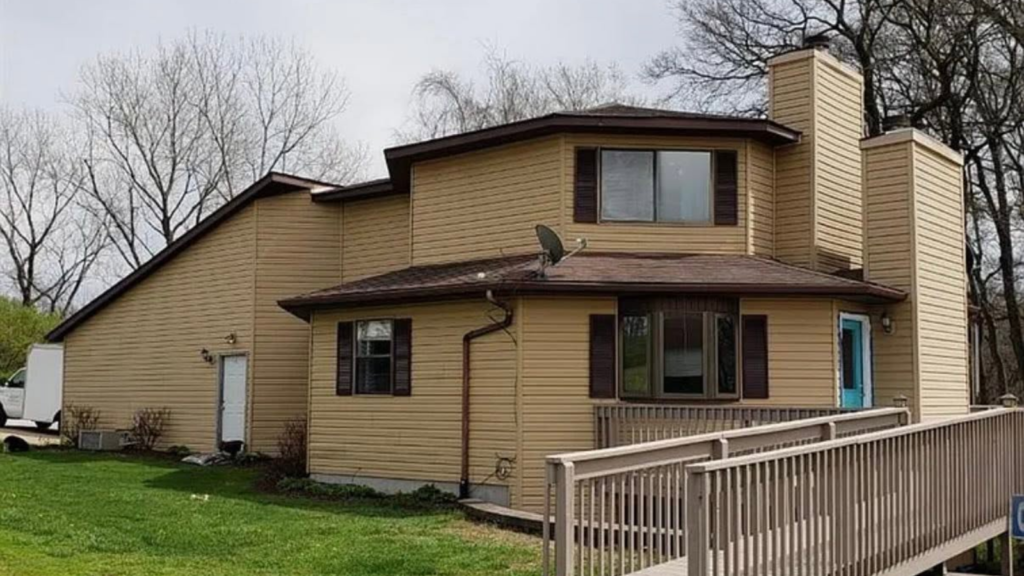
A roof leak can start with something as small as a damaged shingle or deteriorated seal, but the consequences can spread far beyond the roof itself. Once water finds a way into your roofing system, it may reach the decking, attic insulation, framing, ceilings, walls, and other areas of your home.
For homeowners in Columbia, Illinois, understanding common roof leak causes can make it easier to recognize problems before they lead to more extensive damage. Local roofs experience changing weather throughout the year, including thunderstorms, strong winds, hail, heavy rainfall, summer heat, freezing temperatures, snow, and ice. Each of these conditions can expose weaknesses in roofing materials.
At Diamond Roofing & Exteriors, we help homeowners throughout Columbia, Waterloo, Alton, Bethalto, Godfrey, Chesterfield, Crystal City, Farmington, Festus, Herculaneum, Hillsboro, Mehlville, Oakville, Pevely, St. Charles, and St. Peters identify roofing problems and determine practical solutions.
Whether you have noticed a ceiling stain, damp attic insulation, missing shingles, or unexplained moisture, identifying the actual source of the problem is essential. Here are some of the most common reasons residential roofs develop leaks and what homeowners should know about addressing them.
Why Roof Leaks Can Be Difficult to Diagnose
One of the biggest challenges with roof leaks is that the visible water stain inside your home may not be directly beneath the point where water entered.
Water can travel along:
- Roof decking
- Rafters
- Trusses
- Pipes
- Insulation
- Electrical components
For example, water may enter around a plumbing vent near the upper portion of the roof, travel several feet along a rafter, and eventually drip onto the ceiling in another room.
This means that simply repairing the roofing material directly above a ceiling stain may not solve the problem.
Professional roof inspections focus on identifying the true roof leak causes rather than treating only the visible symptoms.
1. Missing or Damaged Shingles
Shingles create the primary weather-resistant surface of many residential roofing systems.
When shingles are missing, cracked, torn, curled, or otherwise damaged, the layers underneath become more vulnerable to water.
Shingle damage can result from:
- Strong winds
- Hail
- Falling branches
- Aging
- Improper installation
- Excessive heat
- Foot traffic
A single missing shingle does not necessarily mean the entire roof needs replacement. If the surrounding materials remain in good condition, an individual repair may be possible.
However, widespread shingle damage may indicate a larger roofing problem.
After severe weather, inspect your roof safely from the ground and look for missing shingles or roofing debris around your property.
2. Damaged or Improperly Installed Flashing
Flashing is one of the most important components of a roofing system.
It is installed around areas where roof surfaces meet other structures or penetrations, including:
- Chimneys
- Skylights
- Plumbing vents
- Sidewalls
- Dormers
- Valleys
Flashing directs water away from these vulnerable intersections.
When flashing becomes loose, corroded, cracked, or improperly installed, water may enter behind roofing materials.
Flashing failures are among the most common roof leak causes because these areas naturally experience concentrated water flow.
Proper repairs usually involve correcting the flashing system rather than simply covering the area with roofing sealant.
3. Chimney Flashing Problems
Chimneys require several types of flashing to prevent water intrusion.
Depending on the design, a chimney may use:
- Step flashing
- Counter flashing
- Base flashing
- Cricket flashing
These components work together to direct rainwater around the chimney.
Problems may develop when flashing:
- Pulls away
- Corrodes
- Cracks
- Was installed incorrectly
- Has been repeatedly patched with sealant
Chimney masonry can also develop cracks that allow moisture into the structure.
A professional inspection can determine whether water is entering through the roofing system, chimney materials, or both.
4. Failed Pipe Boots
Plumbing vents extend through the roof and require specialized flashing.
Many pipe boots contain rubber components that seal around the pipe.
Years of exposure to sunlight, heat, freezing temperatures, and weather can cause the rubber to crack.
Once a gap develops, rainwater can run down the pipe and enter the attic.
Pipe boot deterioration is one of the roof leak causes homeowners may overlook because the affected area is relatively small and difficult to see from the ground.
Fortunately, when identified early, pipe boot problems may often be repaired without replacing large sections of roofing.
5. Roof Valley Problems
Roof valleys are formed where two roof slopes meet.
They carry significant amounts of rainwater during storms because water from both slopes flows toward the same area.
Valley leaks can result from:
- Damaged shingles
- Worn underlayment
- Improper installation
- Damaged metal flashing
- Debris buildup
- Storm damage
Leaves and branches can also collect in valleys and slow drainage.
Because valleys manage substantial water flow, small defects may result in significant leaks during heavy rainfall.
6. Clogged Gutters
Gutters are designed to collect water from the roof and move it safely away from the home.
When gutters become clogged with leaves, branches, roofing granules, and other debris, water may back up near the roof edge.
Overflowing water can affect:
- Fascia
- Soffit
- Roof decking
- Siding
- Foundation areas
During cold weather, clogged gutters may also contribute to ice buildup.
Although gutters are not part of the roof covering itself, drainage problems can contribute to roof leak causes around the edges of the roofing system.
Regular gutter cleaning can help reduce this risk.
7. Damaged Roof Vents
Roof vents help control heat and moisture in the attic.
These components must penetrate the roofing surface, which means they require proper flashing and sealing.
Leaks may occur when:
- Vent flashing fails
- Fasteners loosen
- Plastic components crack
- Hail damages the vent
- Sealants deteriorate
Because vents are exposed to weather throughout the year, they should be checked during professional roof inspections.
8. Skylight Leaks
Skylights can bring natural light into a home, but they also create another opening in the roofing system.
Leaks around skylights may result from:
- Damaged flashing
- Improper installation
- Deteriorated seals
- Condensation
- Aging skylight components
Not every moisture problem around a skylight is caused by the roof.
Condensation may sometimes create water that resembles a roof leak.
A professional inspection can help distinguish between condensation, flashing failure, and other potential roof leak causes.
9. Wind Damage
Strong winds can damage shingles without completely removing them.
Wind may lift the edge of a shingle and break its adhesive seal.
When the wind stops, the shingle may settle back into place, making the damage difficult to identify from ground level.
Wind can also:
- Crease shingles
- Loosen fasteners
- Damage ridge caps
- Bend flashing
- Damage roof vents
- Pull gutters loose
Once shingles lose their seal, wind-driven rain may have an easier path beneath the roofing surface.
Professional inspections after significant wind events can help identify this less obvious damage.
10. Hail Damage
Hail can affect asphalt shingles, metal roofing components, vents, gutters, and flashing.
Depending on hail size and wind speed, impacts may cause:
- Granule loss
- Shingle bruising
- Cracking
- Exposed asphalt
- Dented metal
- Damaged flashing
Hail damage does not always create an immediate leak.
Instead, it may weaken the roofing material and cause affected areas to deteriorate more quickly over time.
This makes hail one of the roof leak causes that can remain hidden until a later rainstorm reveals the problem.
11. Aging Roofing Materials
Every roofing material has a limited service life.
As asphalt shingles age, they may become:
- Brittle
- Cracked
- Curled
- Loose
- Less resistant to wind
- More prone to granule loss
Older sealants and flashing components may also deteriorate.
Aging alone does not automatically mean a roof must be replaced. The actual condition of the roofing system matters.
However, recurring leaks in multiple locations can indicate that repairs are becoming less practical.
12. Improper Roof Installation
Even high-quality roofing materials can develop problems prematurely when installed incorrectly.
Common installation mistakes include:
- Incorrect nail placement
- Too few fasteners
- Poor flashing installation
- Improper shingle alignment
- Inadequate underlayment
- Incorrect valley construction
- Poor ventilation
Some installation problems may remain hidden for years.
They may become noticeable only after strong winds or heavy rain place additional stress on the system.
Improper workmanship is one of the roof leak causes that may require more extensive correction if problems affect multiple areas.
13. Roof Punctures
Roofing materials can be punctured by:
- Falling branches
- Hail
- Tools
- Foot traffic
- Improperly installed equipment
- Storm debris
A small hole may be difficult to notice but can still allow water beneath the roofing surface.
Punctures should be repaired correctly rather than simply covered with sealant.
The surrounding roofing and underlayment should also be evaluated for damage.
14. Falling Tree Branches
Trees can contribute to roofing problems in several ways.
Branches may:
- Strike shingles
- Puncture roofing materials
- Damage flashing
- Break vents
- Clog gutters
- Collect in roof valleys
Even branches that do not fall can damage shingles if they repeatedly rub against the roof.
Keeping tree limbs appropriately trimmed can reduce some of these risks.
After a large branch strikes your roof, consider scheduling an inspection even if no damage is visible from the ground.
15. Ice Dams
Winter conditions can create ice dams along roof edges.
Ice dams form when heat from inside the home warms part of the roof and melts snow.
The meltwater moves toward colder roof edges and freezes again.
As ice accumulates, additional water can become trapped behind it and potentially move beneath shingles.
Ice dam related roof leak causes are often connected to a combination of:
- Attic heat loss
- Insulation problems
- Ventilation
- Snow accumulation
- Freezing temperatures
Long-term prevention may require addressing attic conditions as well as roofing components.
16. Poor Attic Ventilation
Attic ventilation helps manage heat and moisture.
Without adequate ventilation, humid air can collect in the attic and create condensation.
Condensation may wet:
- Roof decking
- Rafters
- Insulation
- Fasteners
Homeowners sometimes mistake condensation for an exterior roof leak.
Excessive attic heat can also contribute to premature aging of roofing materials.
A professional inspection can evaluate whether moisture is coming from outside the roof or developing within the attic.
17. Condensation
Not all water found in the attic is caused by rain.
Warm, humid indoor air may rise into a cold attic and condense on roofing components.
Common contributors include:
- Poor ventilation
- Insufficient insulation
- Bathroom exhaust fans venting into the attic
- Air leaks
- High indoor humidity
Condensation should be addressed because repeated moisture can damage wood and insulation.
Determining whether water comes from condensation or an exterior leak is an important part of diagnosing roof leak causes accurately.
18. Damaged Roof Decking
Roof decking provides the structural surface beneath shingles or other roofing materials.
If water repeatedly reaches the decking, it may become:
- Soft
- Swollen
- Rotted
- Delaminated
- Unable to hold fasteners securely
Decking damage may create uneven roofing surfaces and contribute to additional leaks.
In some cases, damaged decking is discovered only after old roofing materials are removed during replacement.
Affected sections should be repaired before new roofing materials are installed.
19. Deteriorated Sealants
Roofing sealants are used in specific areas of the roofing system.
Over time, exposure to sunlight and temperature changes can cause sealants to:
- Crack
- Shrink
- Separate
- Become brittle
Sealant deterioration can create openings around flashing, fasteners, or penetrations.
However, applying more sealant is not always the correct solution.
If flashing or another component has failed, that underlying issue should be repaired properly.
20. Loose or Damaged Ridge Caps
Ridge caps protect the highest points where roof slopes meet.
Because these areas are highly exposed to wind and weather, ridge materials may become:
- Loose
- Cracked
- Lifted
- Missing
- Damaged by hail
Water entering around a ridge may reach the attic or decking.
Ridge cap problems can be difficult to identify from ground level and should be included in professional inspections.
21. Problems Around Roof-to-Wall Intersections
Some homes have roof sections that meet vertical walls.
These transitions require carefully installed flashing to direct water away from the wall.
Missing or damaged step flashing can allow water behind siding or roofing materials.
Kickout flashing is also important where the roof edge terminates near a wall because it helps direct water into the gutter.
Poorly protected roof-to-wall intersections are common roof leak causes because water can enter behind exterior materials without immediately becoming visible.
22. Nail Pops and Fastener Problems
Roofing fasteners must be installed correctly.
If a nail backs out or was installed improperly, it can lift the shingle above it and create a potential water entry point.
Fastener problems may result from:
- Installation errors
- Material movement
- Temperature changes
- Damaged decking
Individual nail problems may be repairable, but widespread fastener issues can indicate installation or decking concerns.
23. Debris Accumulation
Leaves, pine needles, branches, and other debris can collect on roofing surfaces.
Common collection points include:
- Valleys
- Behind chimneys
- Low-slope areas
- Gutters
Debris can trap moisture against roofing materials and slow drainage.
Removing accumulated material can help water move naturally from the roof.
Homeowners should avoid climbing onto the roof to remove debris when conditions are unsafe.
Why Roof Leaks Often Become Worse Over Time
A small roof leak may seem manageable when it creates only a minor ceiling stain.
However, water can spread through multiple building materials.
An untreated leak may eventually affect:
- Roof decking
- Attic insulation
- Rafters
- Drywall
- Paint
- Electrical components
- Interior finishes
Wet insulation may also become less effective.
Identifying roof leak causes early can help reduce the amount of material affected by water intrusion.
Warning Signs of a Roof Leak
Some leaks are obvious, while others develop gradually.
Watch for:
- Ceiling stains
- Water dripping during rain
- Damp attic insulation
- Musty odors
- Peeling paint
- Bubbling drywall
- Mold or mildew
- Discolored rafters
- Water trails in the attic
- Damaged shingles
Exterior warning signs may include missing shingles, damaged flashing, loose gutters, or debris on the roof.
Why You Should Not Ignore Small Ceiling Stains
A small ceiling stain can indicate that water has already traveled through several roofing and building layers.
Even if the stain dries after the storm, the underlying leak may still exist.
The next heavy rain may allow additional water inside.
Marking or photographing the stain can help you track whether it grows.
A roofing professional can then inspect the roof and attic to determine the likely source.
Can a Roof Leak Be Repaired?
Many roof leaks can be repaired without replacing the entire roof.
Repair may be appropriate when:
- Damage is isolated
- The roof is relatively young
- Surrounding shingles remain healthy
- Decking is sound
- Flashing damage is limited
Potential repairs include:
- Replacing shingles
- Replacing pipe boots
- Repairing flashing
- Correcting valley problems
- Replacing damaged decking
- Repairing vents
The appropriate repair depends on the actual source.
When Roof Replacement May Be More Practical
Roof replacement may be considered when:
- Leaks occur in multiple areas
- Roofing materials are extensively deteriorated
- Storm damage is widespread
- Decking has significant damage
- Previous repairs repeatedly fail
- The roof is approaching the end of its service life
- Installation problems affect large areas
A reputable contractor should explain both repair and replacement options when appropriate.
Why DIY Leak Repairs Can Be Risky
Roof leaks can be deceptive.
Applying roofing cement or caulk to the area directly above a ceiling stain may not address the true source.
DIY roof work also introduces safety concerns, particularly on steep, wet, damaged, or high roofing surfaces.
Professional roofers have the training and equipment to inspect difficult areas safely.
Accurate diagnosis is especially important because different roof leak causes require different repairs.
How Homeowners Can Help Prevent Roof Leaks
Not every leak can be prevented, particularly when severe storms occur.
However, routine maintenance can reduce many risks.
Homeowners can:
- Keep gutters clean
- Trim overhanging branches
- Watch for missing shingles
- Schedule periodic roof inspections
- Check the attic for moisture
- Address flashing problems promptly
- Maintain attic ventilation
- Inspect the property after major storms
Small maintenance tasks can help extend the life of the roofing system.
Why Post-Storm Inspections Matter
Storm damage is not always visible from the driveway.
Hail can bruise shingles.
Wind can break adhesive seals.
Flashing can loosen.
Roof vents can crack.
A professional inspection after significant weather can identify potential problems before they become active leaks.
This is particularly helpful when your property experienced hail, strong wind, or falling debris.
The Importance of Professional Roof Inspections
Professional roof inspections go beyond looking for missing shingles.
A contractor may evaluate:
- Shingle condition
- Flashing
- Roof valleys
- Chimneys
- Skylights
- Pipe boots
- Roof vents
- Ridge caps
- Gutters
- Soffit
- Fascia
- Attic moisture
Looking at the roofing system as a whole makes it easier to identify the true roof leak causes and recommend appropriate repairs.
Why Local Roofing Experience Matters
Columbia and surrounding communities experience weather conditions that can challenge residential roofs throughout the year.
These include:
- Thunderstorms
- Hail
- Strong winds
- Heavy rainfall
- Summer heat
- Freezing temperatures
- Snow
- Ice
A contractor familiar with regional conditions understands how these weather patterns affect common roofing materials.
Local experience can be particularly valuable when determining whether damage resulted from a recent storm, long-term wear, installation problems, or a combination of factors.
Why Choose Diamond Roofing & Exteriors?
At Diamond Roofing & Exteriors, we understand how frustrating it can be to discover a roof leak.
Our goal is to help homeowners understand what is happening and what options are available.
We proudly serve homeowners throughout:
- Columbia
- Waterloo
- Alton
- Bethalto
- Godfrey
- Chesterfield
- Crystal City
- Farmington
- Festus
- Herculaneum
- Hillsboro
- Mehlville
- Oakville
- Pevely
- St. Charles
- St. Peters
Our services include roof inspections, roof repair, roof replacement, storm damage restoration, metal roofing, vinyl siding, gutters, and exterior solutions.
Whether the problem involves missing shingles, flashing, storm damage, gutters, ventilation, or another component, our team can evaluate the roofing system and help identify the underlying roof leak causes.
Final Thoughts
Roof leaks rarely occur without a reason.
Missing shingles, failed flashing, damaged pipe boots, clogged gutters, hail, wind, aging materials, improper installation, ice dams, condensation, and deteriorated roof components can all allow moisture to affect your home.
The challenge is determining exactly where the water is entering.
Because water can travel along decking, framing, pipes, and insulation, the visible stain inside your home may be far from the actual source.
Understanding common roof leak causes can help Columbia homeowners recognize warning signs and know when professional attention is needed.
Do not wait for a small stain to become a major interior leak. If you notice ceiling discoloration, damp attic insulation, missing shingles, damaged flashing, or other warning signs, having the roof evaluated early may prevent more extensive damage.
Professional inspections are also valuable after severe storms because some roof leak causes, including hail bruising and broken shingle seals, may not be visible from the ground.
If you suspect a roof leak in Columbia or one of the surrounding communities, contact Diamond Roofing & Exteriors. Our team can inspect your roofing system, identify likely roof leak causes, and recommend dependable repair or replacement options designed to help protect your home.
