
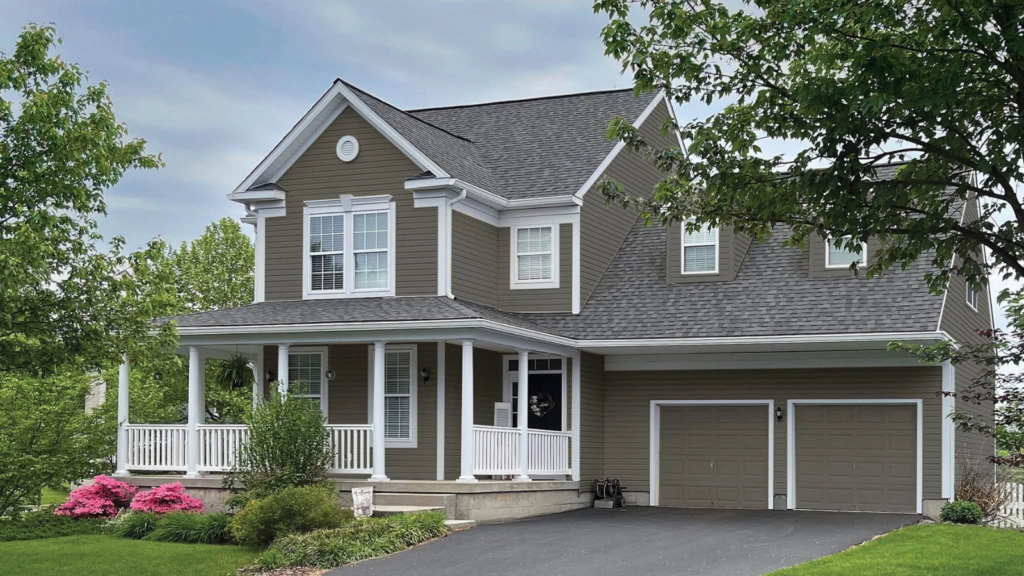
A damaged roof can create a difficult decision for homeowners. Should you attempt to fix the problem yourself or hire a professional roofing contractor? While repairing a few shingles or sealing a small leak might appear straightforward, roofing work involves more than replacing damaged materials.
For homeowners in Columbia, Illinois, and surrounding Metro East communities, choosing the right approach can affect safety, repair quality, long term costs, and the overall condition of the home.
Understanding the differences between DIY professional roof repairs helps homeowners recognize which maintenance tasks they can safely manage and which roofing problems require professional attention.
At Diamond Roofing & Exteriors, we understand that homeowners want practical solutions without unnecessary expenses. Whether your roof has experienced storm damage, developed a leak, or started showing signs of aging, knowing when to call a professional can help prevent avoidable complications.
Our team serves Columbia, Waterloo, Alton, Bethalto, Godfrey, Chesterfield, Crystal City, Farmington, Festus, Herculaneum, Hillsboro, Mehlville, Oakville, Pevely, St. Charles, and St. Peters.
Understanding How Residential Roofing Systems Work
Before comparing DIY and professional roofing services, it helps to understand what makes a roof function properly.
A residential roof is made up of several interconnected components, including:
- Shingles or other roofing materials
- Roof decking
- Underlayment
- Flashing
- Roof vents
- Pipe boots
- Ridge caps
- Gutters
- Fascia and soffit
Each component plays an important role in protecting the property.
Shingles shed water away from the home. Underlayment provides an additional layer of protection beneath the roofing material. Flashing directs water around roof penetrations and intersections, while decking supports the entire roofing assembly.
If one component fails, other materials may become exposed to moisture.
That is why a repair should address the actual source of damage rather than simply covering the most visible problem.
Why Homeowners Consider DIY Roof Repairs
The main reason homeowners consider DIY roofing is the possibility of saving money.
Professional roofing services involve labor, materials, equipment, and expertise. Homeowners may believe they can reduce expenses by purchasing materials themselves.
Other motivations include:
- Enjoying home improvement projects
- Wanting immediate results
- Believing the damage is minor
- Avoiding scheduling delays
- Having previous DIY experience
These motivations are understandable.
However, roofing repairs differ from many other household projects because they involve elevated surfaces, weather protection, and materials that must be installed correctly.
The initial cost of a repair should never be the only consideration.
DIY Professional Roof Repairs: Understanding the Differences
When comparing DIY professional roof repairs, homeowners should evaluate more than the price of materials.
A successful roof repair depends on several factors:
- Accurate damage diagnosis
- Proper repair materials
- Safe working conditions
- Correct installation techniques
- Understanding roof drainage
- Identifying hidden damage
- Following manufacturer requirements
A homeowner may be able to recognize a missing shingle from the ground but may not know whether surrounding shingles, underlayment, or decking were affected.
Professional roofing contractors have experience evaluating these conditions and determining the appropriate repair method.
Roof Safety Is the Biggest Concern
Working on a roof introduces significant fall hazards.
Even a relatively low roof can be dangerous, particularly when surfaces are wet, steep, icy, or damaged.
Potential hazards include:
- Unstable ladders
- Slippery shingles
- Loose roofing materials
- Hidden decking deterioration
- Electrical hazards
- Falling tools
- Sudden weather changes
Homeowners should avoid climbing onto the roof to inspect or repair damage.
Professional roofing contractors use appropriate safety equipment and procedures for elevated work.
For most homeowners, observing the roof from the ground and arranging a professional inspection is the safer approach.
DIY Repairs Can Create Additional Damage
One of the biggest risks of DIY roofing is accidentally making the problem worse.
Improper repair techniques may damage surrounding shingles, expose nail holes, or interfere with the way water moves across the roof.
Common mistakes include:
- Installing nails in incorrect locations
- Overdriving fasteners
- Damaging adjacent shingles
- Applying excessive sealant
- Using incompatible materials
- Incorrectly overlapping roofing components
A repair that appears successful immediately after installation may fail during the next major storm.
Professional workmanship helps reduce these risks by following appropriate roofing practices.
Why Roof Leaks Are Difficult to Diagnose
A ceiling stain does not necessarily reveal where water entered the roof.
Water can travel along roof decking, framing, insulation, and other materials before becoming visible inside the home.
For example, a stain near an upstairs wall may originate from damaged flashing several feet away.
A homeowner who applies sealant directly above the stain may miss the actual leak source.
Professional roofing inspections focus on identifying how moisture entered the roofing system.
This is one of the most important considerations when comparing DIY professional roof repairs.
The Problem With Quick Roofing Patches
Temporary roofing patches can sometimes provide short term protection during emergencies.
However, temporary repairs should not automatically become permanent solutions.
Applying sealant over damaged shingles or flashing may reduce water entry temporarily without correcting the underlying problem.
Over time, weather exposure can affect the patch.
If the original leak remains unresolved, water may continue reaching the roofing system.
A permanent repair should restore the affected components appropriately.
Shingle Replacement Is More Complicated Than It Looks
Replacing an asphalt shingle may seem like a simple task.
However, shingles rely on specific installation techniques.
Proper replacement may involve:
- Removing damaged materials
- Protecting surrounding shingles
- Correct fastener placement
- Proper alignment
- Appropriate overlap
- Preserving or restoring seals
- Following manufacturer instructions
Incorrect installation can leave shingles vulnerable to wind or water.
Professional contractors understand how these details affect roof performance.
Flashing Repairs Require Specialized Knowledge
Flashing is installed around areas where roofing meets other structures or penetrations.
Common locations include:
- Chimneys
- Skylights
- Roof valleys
- Sidewalls
- Plumbing vents
These areas are particularly vulnerable to leaks when flashing becomes damaged or improperly installed.
Simply applying sealant over a flashing problem may not provide a lasting solution.
Professional repairs may require removing surrounding roofing materials and correcting the flashing assembly.
The Importance of Roof Decking
Roof decking supports the roofing materials above it.
When decking becomes damaged by moisture, it may lose strength or become unable to hold roofing fasteners properly.
Warning signs can include:
- Soft areas
- Sagging
- Repeated leaks
- Visible deterioration
- Fastener problems
Installing new shingles over compromised decking does not correct the underlying condition.
Professional contractors can evaluate accessible decking and determine whether damaged sections require attention.
DIY Roof Repairs and Hidden Moisture
Not every roof leak produces an obvious ceiling stain.
Moisture may accumulate in attic insulation or beneath roofing materials before homeowners notice a problem.
Potential signs include:
- Damp insulation
- Darkened decking
- Rusted fasteners
- Musty odors
- Water stains
- Visible mold
Some symptoms may also result from condensation rather than exterior water intrusion.
A professional inspection can help distinguish between these possibilities.
Professional Roof Repairs Begin With Inspection
One of the main advantages of hiring a roofing contractor is the ability to evaluate the entire problem before beginning repairs.
A professional inspection may involve examining:
- Shingles
- Flashing
- Roof valleys
- Pipe boots
- Roof vents
- Gutters
- Visible decking conditions
- Attic moisture
The goal is to identify the source and extent of damage.
This helps determine whether a localized repair is appropriate or whether a larger roofing issue needs attention.
Comparing the Initial Costs
DIY roofing repairs may involve purchasing:
- Replacement shingles
- Roofing nails
- Sealant
- Flashing
- Tools
- Safety equipment
Professional services generally include labor, materials, equipment, and business overhead.
Although DIY work may have a lower initial price, it can become more expensive if the repair fails.
When comparing DIY professional roof repairs, homeowners should consider the potential cost of correcting mistakes and repairing additional damage.
The Hidden Cost of Incorrect Repairs
Consider a hypothetical situation.
A homeowner notices water near a chimney and applies sealant around the visible flashing.
The leak appears to stop.
Several months later, heavy rain reveals that moisture has continued entering behind the flashing.
By then, surrounding decking or insulation may have been affected.
The original problem may have required a localized repair, but delayed diagnosis has increased the potential repair scope.
Professional evaluation can help reduce the likelihood of this situation.
DIY Repairs May Affect Roofing Warranties
Roofing products may include manufacturer warranties with specific conditions.
Improper installation or modifications may affect certain warranty provisions.
However, coverage varies by manufacturer, product, and warranty terms.
Homeowners should review their warranty documentation before attempting repairs.
Professional roofing contractors can explain applicable installation requirements and any workmanship coverage associated with their services.
Professional Roofing Services Offer Documentation
Another advantage of professional roofing services is the ability to maintain clear repair records.
Documentation may include:
- Inspection photographs
- Written estimates
- Repair invoices
- Material information
- Workmanship terms
- Warranty documents
These records can help homeowners understand what was repaired and may be useful for future maintenance or property transactions.
Storm Damage Requires Careful Evaluation
Homes throughout the Metro East region may experience thunderstorms, hail, strong winds, and falling debris.
Storm damage can affect more than the visible roofing surface.
Wind may loosen shingles.
Hail may damage roofing materials and exterior metal components.
Branches may affect decking, gutters, or flashing.
Professional inspection can help determine whether the damage is isolated or widespread.
Wind Damage Is Not Always Obvious
Wind can lift shingles without completely removing them.
This may affect adhesive seals or create creases.
A roof can appear normal from the ground even when certain shingles have been compromised.
During the next strong storm, those areas may become more vulnerable.
Homeowners should consider professional inspection after significant wind events, especially when nearby properties experienced roofing damage.
Hail Damage Can Be Difficult to Identify
Hail damage varies depending on the size and density of hailstones, wind conditions, roofing materials, and roof age.
Possible signs include:
- Surface bruising
- Localized granule loss
- Cracking
- Damaged vents
- Dented gutters
- Impact marks on flashing
Not every mark indicates functional damage.
A qualified contractor can evaluate the roofing materials and explain whether repairs are necessary.
Why Metro East Weather Matters
Homes throughout Columbia and surrounding Illinois and Missouri communities experience significant seasonal weather changes.
Spring and summer may bring:
- Heavy rainfall
- Thunderstorms
- Strong winds
- Hail
- High temperatures
Fall and winter may introduce:
- Falling leaves
- Snow
- Ice
- Freezing temperatures
- Freeze and thaw cycles
These conditions can expose weaknesses in improperly repaired roofing systems.
A repair that looks successful during mild weather may fail when exposed to heavy rainfall or wind.
Winter Roof Repairs Present Additional Challenges
Cold weather can affect roofing materials and working conditions.
Some shingles become less flexible in low temperatures.
Snow and ice can make roof access extremely dangerous.
Certain roofing products also have specific installation requirements related to temperature.
Homeowners should avoid attempting roof repairs during winter conditions.
Professional contractors can determine whether emergency protection or a permanent repair is appropriate.
Summer Heat Creates Additional Risks
Roof surfaces can become extremely hot during summer.
High temperatures can increase physical strain and make roofing work uncomfortable or hazardous.
Certain roofing materials may also be more susceptible to damage from improper handling or foot traffic under hot conditions.
Professional contractors can plan work around appropriate weather and installation conditions.
Roof Repairs vs. Roof Replacement
Not every damaged roof requires complete replacement.
Repair may be appropriate when:
- Damage is localized
- Most shingles remain serviceable
- Decking is sound
- Flashing problems are limited
- The roof has no widespread deterioration
Replacement may deserve consideration when:
- Damage is extensive
- Multiple leaks exist
- Roofing materials are significantly deteriorated
- Repairs are becoming frequent
- Decking damage is widespread
A professional evaluation can help determine which option makes sense.
Why Repeated DIY Repairs Can Become Expensive
Some homeowners repeatedly patch the same roofing area without identifying the source of the problem.
Each temporary repair may require additional materials and time.
Meanwhile, water may continue reaching underlying components.
Eventually, the homeowner may need professional repair of both the original problem and additional moisture damage.
When evaluating DIY professional roof repairs, consider whether the approach solves the problem or simply delays it.
When DIY Roof Maintenance May Be Appropriate
Homeowners can participate in roof maintenance without climbing onto the roof.
Reasonable activities include:
- Observing shingles from the ground
- Checking ceilings for stains
- Monitoring accessible attic areas
- Looking for roofing debris after storms
- Watching gutter drainage during rainfall
- Keeping maintenance records
- Scheduling professional inspections
Some ground level debris removal may also be appropriate when it can be performed safely.
The goal is to recognize problems early without exposing yourself to unnecessary hazards.
When to Call a Professional Roofing Contractor
Professional evaluation is recommended when you notice:
- Missing shingles
- Active leaks
- Damaged flashing
- Sagging roof areas
- Significant storm damage
- Repeated ceiling stains
- Loose roof vents
- Suspected decking deterioration
- Recurring roofing problems
If damage involves structural concerns, electrical hazards, or significant water intrusion, additional qualified professionals may also be necessary.
How to Choose the Right Roofing Contractor
Before hiring a contractor, evaluate:
- Experience
- Reputation
- Insurance
- Written estimates
- Communication
- Material knowledge
- Inspection practices
- Workmanship coverage
Ask the contractor to explain the source of the problem and why the proposed repair is appropriate.
Avoid selecting a contractor based only on the lowest quoted price.
Quality diagnosis and workmanship matter.
Questions to Ask Before Approving Roof Repairs
Homeowners should understand the proposed work.
Consider asking:
- What caused the damage?
- How was the problem identified?
- Is the damage isolated?
- Are surrounding shingles affected?
- Is the decking in good condition?
- What materials will be used?
- Is the repair temporary or permanent?
- What warranty terms apply?
- Are additional repairs recommended?
Clear answers can help homeowners make informed decisions.
Professional Repairs and Long Term Roof Performance
A properly completed roof repair helps restore the affected area’s ability to resist weather.
Professional contractors can evaluate whether surrounding components are also compromised.
For example, replacing a damaged shingle may require checking nearby seals and underlayment.
Repairing flashing may require evaluating adjacent roofing materials.
Correcting gutter problems may involve inspecting fascia.
This broader approach supports the performance of the complete roofing system.
Roof Maintenance Can Reduce Future Problems
Routine maintenance can help homeowners identify deterioration before it becomes extensive.
Useful practices include:
- Keeping gutters clear
- Monitoring roof edges
- Inspecting after storms
- Addressing leaks promptly
- Maintaining roof penetrations
- Trimming hazardous branches
- Scheduling professional evaluations when appropriate
Preventive care cannot eliminate every roofing problem, but it can help reduce avoidable damage.
How Often Should Your Roof Be Inspected?
Inspection needs depend on several factors.
These include:
- Roof age
- Material type
- Storm exposure
- Previous repairs
- Leak history
- Manufacturer recommendations
Homeowners should check visible roof conditions after significant storms and periodically throughout the year.
A roofing professional can recommend an inspection schedule based on the roof’s condition.
Gutters Are Part of Roof Protection
Gutters collect roof runoff and direct it toward downspouts.
When gutters become clogged or damaged, water may overflow around roof edges.
This can affect:
- Fascia
- Soffit
- Siding
- Landscaping
- Foundation areas
Gutter maintenance is an important part of protecting the exterior.
However, homeowners should avoid unsafe ladder work.
Soffit and Fascia Deserve Attention
Soffit and fascia help protect the roof perimeter.
Fascia often supports gutter attachment.
Soffit covers the underside of roof overhangs and may include attic ventilation openings.
Storm damage or prolonged moisture exposure can affect these components.
When roofing problems occur near the roof edge, professional evaluation should consider whether fascia or soffit has also been damaged.
Professional Roofing Repairs and Home Value
A well maintained roof can support curb appeal and buyer confidence.
Visible roofing damage may raise concerns during a home sale.
Professional repairs and documentation can help homeowners demonstrate that known problems were evaluated and addressed.
However, no specific increase in property value can be guaranteed.
Home value depends on overall property condition, market conditions, and other factors.
DIY Professional Roof Repairs and Insurance Considerations
Homeowners insurance may cover certain types of sudden storm damage depending on policy terms and the circumstances.
Coverage decisions are made by the insurer.
If you suspect storm damage, document visible conditions and review your insurance policy.
Avoid making assumptions about coverage or relying on anyone who guarantees claim approval.
When comparing DIY professional roof repairs, remember that documentation and repair requirements may matter during an insurance claim.
Why Local Roofing Experience Matters
Roofing systems in Illinois and Missouri face different seasonal conditions throughout the year.
A contractor familiar with the Metro East region can evaluate damage in the context of local weather exposure.
This may include understanding how strong winds affect shingles, how hail impacts roofing materials, and how winter conditions influence roof edges and drainage.
Local experience does not replace proper installation practices, but it can help contractors recommend appropriate roofing solutions.
DIY Professional Roof Repairs: Which Option Makes Sense?
The best approach depends on the type of task.
For routine observation and maintenance that can be performed safely from the ground, homeowners can play an active role.
For repairs involving shingles, flashing, roof penetrations, decking, or elevated work, professional roofing services are generally the safer option.
Here is a practical comparison:
| Consideration | DIY Approach | Professional Services |
| Initial expense | May be lower | Includes labor and professional expertise |
| Safety | Significant risk with roof access | Trained crews and appropriate equipment |
| Leak diagnosis | Limited by homeowner experience | Professional evaluation |
| Materials | Homeowner must select products | Contractor recommends compatible materials |
| Installation | Risk of incorrect techniques | Follows applicable installation practices |
| Hidden damage | May be overlooked | Broader inspection may identify concerns |
| Documentation | Homeowner maintained | Estimates, invoices, and repair records |
| Warranty | Depends on product and work | May include applicable workmanship terms |
Understanding these differences can help homeowners avoid choosing a repair method based solely on convenience or price.
Why Choose Diamond Roofing & Exteriors?
At Diamond Roofing & Exteriors, we understand that homeowners want dependable roofing solutions and clear information about the condition of their properties.
Our services include:
- Roof inspections
- Roof repair
- Roof replacement
- Storm damage restoration
- Metal roofing
- Vinyl siding
- Gutters
- Exterior solutions
We serve homeowners throughout Columbia, Waterloo, Alton, Bethalto, Godfrey, Chesterfield, Crystal City, Farmington, Festus, Herculaneum, Hillsboro, Mehlville, Oakville, Pevely, St. Charles, and St. Peters.
Our approach focuses on evaluating the roofing system, identifying visible concerns, and recommending appropriate solutions based on the condition of the property.
When homeowners are weighing DIY professional roof repairs, we encourage them to consider safety, repair quality, and the potential consequences of incomplete work.
Final Thoughts
DIY roof repairs may appear attractive because they offer the possibility of saving money and addressing problems quickly.
However, roofing systems are more complicated than they appear.
Shingles, flashing, underlayment, decking, roof penetrations, and drainage components must work together to protect the home.
An incorrectly completed repair can create new water entry points, damage surrounding materials, or leave the original problem unresolved.
Safety is another major consideration.
Roofing work involves elevated surfaces, unpredictable weather, and potentially unstable materials. Even relatively small repairs can expose homeowners to serious fall risks.
Professional roofing services offer closer evaluation, appropriate materials, and installation knowledge.
For homeowners throughout Columbia, Waterloo, Alton, Bethalto, Godfrey, Chesterfield, Crystal City, Farmington, Festus, Herculaneum, Hillsboro, Mehlville, Oakville, Pevely, St. Charles, and St. Peters, understanding DIY professional roof repairs can help prevent avoidable mistakes and unnecessary expenses.
The best approach is to participate in safe maintenance while leaving complex roofing repairs to qualified professionals.
Monitor your roof from the ground.
Check for missing shingles, ceiling stains, gutter problems, and storm damage.
Avoid climbing onto damaged roofing materials or attempting repairs without appropriate training and equipment.
Our team can evaluate the condition of your roofing system, explain visible concerns, and recommend appropriate repair or replacement solutions.
When considering DIY professional roof repairs, remember that the goal is not simply to fix what you can see. It is to restore the roof’s ability to protect your home through the changing weather conditions of Illinois and Missouri.
