
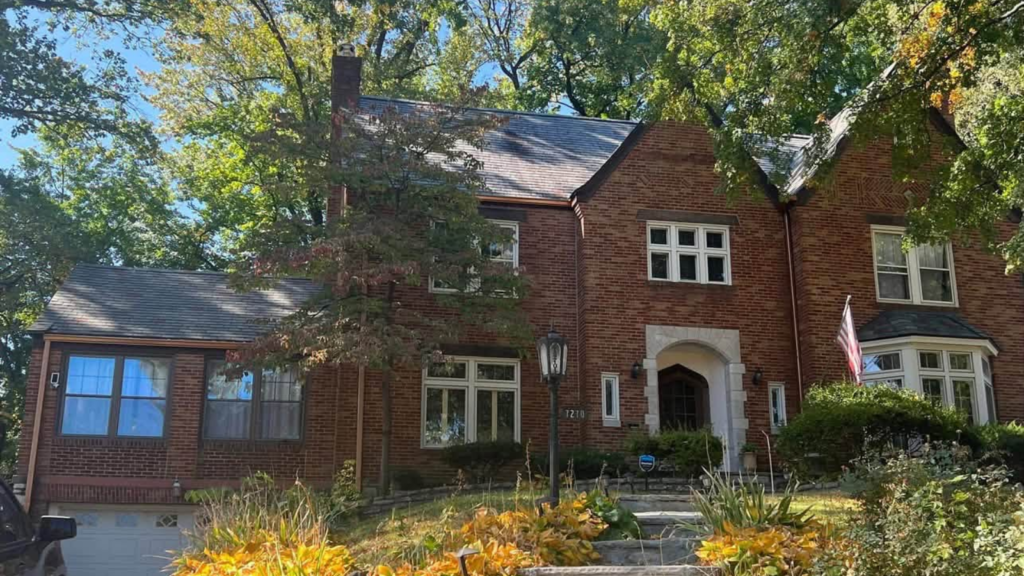
Replacing your roof is one of the most important investments you can make in your home. A properly installed roofing system protects your property from rain, wind, hail, snow, and changing temperatures while contributing to curb appeal and long term structural protection.
However, choosing the right roofing materials and contractor is only part of the process. Timing also matters.
For homeowners in Columbia, Illinois, understanding seasonal roof replacement can help you prepare for installation, anticipate weather related challenges, and make informed decisions about when to schedule your project.
Each season presents different advantages and considerations. Spring offers moderate temperatures but can bring frequent rainfall. Summer provides longer daylight hours, although extreme heat and thunderstorms may affect installation. Fall often brings favorable working conditions, while winter introduces colder temperatures and additional material requirements.
At Diamond Roofing & Exteriors, we serve homeowners throughout Columbia, Waterloo, Alton, Bethalto, Godfrey, Chesterfield, Crystal City, Farmington, Festus, Herculaneum, Hillsboro, Mehlville, Oakville, Pevely, St. Charles, and St. Peters.
Why the Season Matters When Replacing Your Roof
Roof replacement involves more than removing old shingles and installing new materials.
A professional roofing project requires careful attention to weather conditions, material handling, roof decking, underlayment, flashing, ventilation, and installation requirements.
Temperature, moisture, wind, and daylight can influence how contractors approach the work.
For example, certain asphalt shingles have temperature related installation considerations. Rain can interrupt roof removal or installation, while extreme heat can affect worker safety and material handling.
Understanding seasonal roof replacement helps homeowners recognize why roofing schedules may change and why contractors sometimes recommend waiting for more suitable conditions.
The goal is not necessarily to identify one perfect month. It is to choose an appropriate installation window based on roof condition, weather, materials, and professional recommendations.
Understanding Columbia’s Seasonal Weather
Columbia and surrounding Illinois and Missouri communities experience four distinct seasons.
Homeowners may encounter:
- Spring thunderstorms and frequent rainfall
- Summer heat, humidity, and severe storms
- Fall temperature changes and falling leaves
- Winter snow, ice, and freezing conditions
These weather patterns can affect both the existing roof and the replacement process.
A roof with missing shingles or active leaks may require prompt attention regardless of the season.
On the other hand, homeowners planning a replacement for an aging but currently functional roof may have greater flexibility.
The condition of the roofing system should always influence the timing decision.
Spring Roof Replacement in Columbia, Illinois
Spring is a popular time for exterior home improvement projects.
As winter temperatures begin to rise, homeowners often inspect their properties for damage caused by snow, ice, wind, and freezing conditions.
Spring can provide suitable temperatures for roofing work, but it also introduces unpredictable weather.
Advantages of Spring Roof Replacement
Moderate temperatures can create favorable working conditions when the weather remains dry.
Spring replacement may also allow homeowners to address winter damage before summer thunderstorms become more frequent.
Potential advantages include:
- More comfortable installation temperatures
- Opportunities to identify winter related deterioration
- Preparation for summer weather
- Time to coordinate other exterior improvements
For homeowners planning seasonal roof replacement, spring can be a practical option when scheduling and weather conditions align.
Spring Rain Can Affect Installation
Rain is one of the main considerations during spring roofing projects.
Roof replacement temporarily exposes portions of the roofing system as old materials are removed.
Professional contractors plan work carefully and use appropriate weather protection practices, but significant rainfall can still interrupt installation.
A contractor may postpone certain activities when conditions are unsuitable.
Homeowners should understand that weather related schedule adjustments are often necessary to protect the property and maintain installation quality.
Spring Storm Damage May Increase Roofing Demand
Spring thunderstorms can bring strong winds, hail, and heavy rain.
After major storms, more homeowners may request roofing inspections and repairs.
This can affect contractor availability.
If your roof is aging but does not require emergency replacement, contacting a roofing contractor before severe weather season may provide more scheduling flexibility.
However, do not postpone an active leak simply to wait for a preferred installation date.
Summer Roof Replacement in Columbia
Summer is another common period for residential roofing projects.
Longer daylight hours can provide more working time, and stretches of dry weather may support efficient installation.
However, summer also brings high temperatures, humidity, and thunderstorms.
Advantages of Summer Roof Replacement
Long daylight hours may help roofing crews organize installation activities.
Summer also provides opportunities to complete exterior projects before fall and winter.
Homeowners may appreciate being able to coordinate roof replacement with:
- Gutter installation
- Siding improvements
- Exterior painting
- Other home maintenance projects
Summer seasonal roof replacement can be effective when contractors account for temperature, weather, and material requirements.
Extreme Heat Requires Special Consideration
Roof surfaces can become considerably hotter than surrounding air temperatures during direct sunlight.
This can create challenging working conditions.
Excessive heat may also make some asphalt roofing materials more vulnerable to scuffing during installation.
Professional roofing crews may adjust their work schedules, handling practices, and safety procedures based on conditions.
Homeowners should not assume that hotter weather always makes roof installation easier.
Summer Thunderstorms Can Interrupt Work
Even during generally warm and sunny periods, thunderstorms may develop.
Strong winds, lightning, and heavy rain can make roofing work unsafe.
Contractors may need to stop work or adjust schedules.
A reputable roofing contractor should prioritize safe installation conditions rather than rushing through severe weather.
Asphalt Shingle Sealing in Warm Weather
Many asphalt shingles contain factory applied adhesive strips designed to help shingles seal after installation.
Warm conditions can support the sealing process, but the actual requirements depend on the product.
Homeowners should not assume that every shingle seals immediately after installation.
Manufacturer specifications, roof exposure, temperature, and installation practices all matter.
Professional contractors should follow applicable product instructions regardless of the season.
Fall Roof Replacement in Columbia, Illinois
Fall is often considered a favorable season for roof replacement because temperatures may be more comfortable than during the hottest summer periods.
However, favorable weather is not guaranteed, and contractor schedules may become busy as homeowners prepare for winter.
Advantages of Fall Roof Replacement
Fall may offer:
- Moderate working temperatures
- Opportunities to replace aging roofing before winter
- Time to address known leaks
- Preparation for snow and freezing conditions
- Coordination with gutter maintenance
For homeowners considering seasonal roof replacement, fall can provide a useful window for addressing roofing concerns before colder weather arrives.
Why Replacing a Roof Before Winter Can Help
An aging roof may already contain weaknesses such as:
- Cracked shingles
- Loose flashing
- Missing shingles
- Deteriorated pipe boots
- Damaged roof decking
Winter conditions can expose these weaknesses to snow, ice, and freeze and thaw cycles.
Replacing a significantly deteriorated roof before winter may reduce the risk of weather related moisture intrusion.
However, replacement should be based on actual roof condition rather than the calendar alone.
Fall Scheduling Can Become Competitive
Many homeowners want roofing work completed before winter.
This can increase demand for contractors during certain periods.
If you are planning a nonemergency roof replacement, arranging an inspection and discussing scheduling options early may be beneficial.
Falling Leaves and Roof Preparation
Fall brings leaves, branches, and other debris.
Before or after replacement, homeowners should make sure gutters and downspouts are functioning properly.
Debris can interfere with drainage and contribute to water accumulation around roof edges.
A new roof still requires an effective drainage system.
Winter Roof Replacement in Columbia
Winter roof replacement is possible in some circumstances, but it requires additional consideration.
Cold temperatures, snow, ice, and limited daylight can complicate installation.
The feasibility of winter work depends on the roofing material, manufacturer requirements, weather conditions, and the condition of the property.
Can a Roof Be Replaced During Winter?
Yes, some roof replacements can be performed during winter when conditions are appropriate.
However, not every roofing product or installation method is suitable for every temperature.
Cold weather can affect the flexibility and handling of certain asphalt shingles.
Snow and ice can also create hazardous working surfaces.
Professional contractors should evaluate whether installation can be performed safely and according to applicable product requirements.
Cold Weather and Asphalt Shingles
Some asphalt shingles become less flexible in colder temperatures.
This can make handling and installation more challenging.
Certain products may also require special procedures for sealing or installation under colder conditions.
A contractor should follow the specific manufacturer’s requirements rather than applying the same methods in every season.
This is an important consideration in seasonal roof replacement planning.
Snow and Ice Create Safety Concerns
Snow covered or icy roofing surfaces present significant hazards.
Contractors may need to postpone installation until the roof is clear and conditions are safe.
Homeowners should not attempt to remove snow or ice from a steep roof themselves.
Winter Emergencies Require Prompt Attention
An active roof leak or serious storm damage should not automatically be ignored until spring.
Temporary protection, targeted repairs, or replacement may be necessary depending on the circumstances.
A roofing professional can evaluate the situation and recommend appropriate steps.
The priority is preventing additional damage while maintaining safe working conditions.
Is There a Best Season for Roof Replacement?
There is no single season that is best for every home.
Spring and fall often provide comfortable temperatures, but rain and scheduling demand can affect projects.
Summer offers longer daylight hours but may bring excessive heat.
Winter can be more challenging, although suitable installation opportunities may still exist.
The best time for seasonal roof replacement depends on several factors:
- Current roof condition
- Severity of existing damage
- Roofing material
- Weather forecast
- Contractor availability
- Manufacturer requirements
- Homeowner scheduling needs
A professional evaluation can help determine whether replacement should be scheduled soon or whether the existing roof remains serviceable.
Roof Condition Should Come Before Seasonal Preference
Homeowners sometimes focus heavily on choosing the perfect month for roof replacement.
However, roof condition is usually more important than seasonal preference.
If your roof has widespread deterioration, recurring leaks, or significant storm damage, waiting several months could expose your home to additional problems.
A roof that remains in good condition may allow more flexibility.
The decision should be based on the actual roofing system rather than assuming replacement must happen during a particular season.
Signs Your Roof May Need Replacement
Common warning signs include:
- Missing shingles
- Cracked or curling shingles
- Repeated roof leaks
- Significant granule loss
- Damaged flashing
- Frequent repairs
- Visible sagging
- Widespread storm damage
- Deteriorated decking
Not every warning sign automatically means the roof needs complete replacement.
Some problems may be repairable.
A professional inspection can help distinguish localized damage from broader deterioration.
How Roof Age Influences Replacement Timing
Roof age provides useful context, but it should not be the only factor in replacement decisions.
Actual roofing lifespan depends on:
- Material type
- Installation quality
- Weather exposure
- Maintenance
- Ventilation
- Previous damage
A relatively new roof can sustain severe storm damage.
An older roof may still perform adequately when properly maintained.
Homeowners should consider age together with visible condition and inspection findings.
Planning Roof Replacement Before Storm Season
Illinois and Missouri homeowners may experience severe thunderstorms, hail, and strong winds during warmer months.
If your existing roof already has known problems, completing appropriate repairs or replacement before major storm exposure may help reduce vulnerabilities.
A professional inspection can identify concerns such as loose shingles, damaged flashing, or compromised roof edges.
Preventive planning is an important part of seasonal roof replacement.
How Rain Affects Roofing Installation
Roofing systems are designed to protect homes from rain after installation.
However, installation requires temporary removal of existing roofing materials.
Rain during this process can create problems if the roof is not appropriately protected.
Professional contractors monitor weather conditions and plan removal and installation activities accordingly.
Homeowners should understand that weather delays can be part of responsible project management.
Why Wind Conditions Matter
Strong winds can make roofing work dangerous.
Wind may interfere with material handling and create hazards involving ladders, tools, debris, and roofing products.
Even when skies are clear, excessive wind may make certain roofing activities unsuitable.
Contractors should evaluate conditions before proceeding.
Roofing Materials and Seasonal Installation
Different roofing materials have different installation considerations.
Asphalt shingles and metal roofing, for example, do not necessarily respond to temperature and weather conditions in the same way.
The appropriate installation process depends on the selected product and roofing system.
Homeowners should discuss material requirements before scheduling replacement.
Asphalt Shingle Roof Replacement
Asphalt shingles are a common residential roofing choice.
Their installation requires attention to:
- Temperature
- Fastening
- Underlayment
- Shingle alignment
- Adhesive sealing
- Roof slope
- Flashing
Some products may require special handling or sealing procedures during colder weather.
Manufacturer instructions should guide installation.
Metal Roof Replacement
Metal roofing offers a different appearance and material characteristics.
Metal panels and components expand and contract with temperature changes, making appropriate system design and fastening important.
Installation should account for the specific product, roof design, and weather conditions.
Professional installation is essential regardless of season.
Roof Decking Should Be Inspected During Replacement
Roof decking supports the roofing system.
During replacement, removing old roofing materials provides an opportunity to evaluate accessible decking.
Contractors may discover:
- Moisture damage
- Deterioration
- Soft areas
- Previous repair problems
- Fastening concerns
Damaged decking should be addressed appropriately before new roofing materials are installed.
This helps create a suitable foundation for the replacement system.
Underlayment and Weather Protection
Underlayment provides an additional layer of protection beneath the primary roofing material.
Its selection and installation depend on the roofing system and applicable requirements.
Because roof replacement temporarily exposes the structure, proper sequencing and weather protection are important.
Contractors should install materials according to product specifications and appropriate roofing practices.
Flashing Replacement During Roofing Projects
Flashing helps direct water away from vulnerable intersections.
Common locations include:
- Chimneys
- Roof valleys
- Sidewalls
- Skylights
- Plumbing vents
- Dormers
Roof replacement provides an opportunity to evaluate existing flashing.
Damaged or unsuitable components may need replacement.
Proper flashing installation is essential for long term water protection.
Attic Ventilation and Roof Replacement
Roof replacement is also a useful time to review attic ventilation.
A properly designed ventilation system helps manage attic heat and moisture.
Depending on the home, ventilation may involve soffit intake vents and roof exhaust vents.
Contractors should consider whether the existing system is appropriate for the roof design.
Adding more vents without evaluating airflow may not solve underlying problems.
Insulation and Energy Performance
A new roof can support overall home performance, but roofing materials alone do not determine energy efficiency.
Attic insulation and air sealing play important roles in limiting unwanted heat transfer.
If homeowners are concerned about high heating or cooling costs, they may benefit from evaluating insulation and ventilation alongside roof replacement.
A comprehensive approach is more useful than assuming a new shingle color or material will automatically produce specific energy savings.
Preparing Your Home for Roof Replacement
Regardless of the season, homeowners can take steps to prepare for installation.
Before work begins:
- Move vehicles away from the work area.
- Secure outdoor furniture.
- Protect fragile landscaping when practical.
- Remove delicate items from walls or shelves if vibration is a concern.
- Keep children and pets away from construction areas.
- Discuss access requirements with the contractor.
- Confirm the project schedule and communication process.
Preparation can help reduce disruptions and improve jobsite safety.
What Happens During Roof Replacement?
The exact process depends on the roof design and material.
A typical replacement may involve:
- Preparing the property and work area
- Removing existing roofing materials
- Inspecting accessible decking
- Correcting identified decking problems
- Installing underlayment and appropriate protective components
- Installing flashing and roofing materials
- Completing roof penetrations and ventilation details
- Cleaning the work area
- Performing a final inspection
Weather conditions may affect the sequence and schedule.
How Long Does Roof Replacement Take?
Roof replacement timelines vary.
Factors include:
- Roof size
- Roof complexity
- Roofing material
- Decking condition
- Weather
- Crew availability
- Additional repairs
A relatively straightforward project may require less time than a large roof with complex architectural features.
Homeowners should request a project specific estimate rather than relying on a universal timeline.
How Weather Delays Affect Scheduling
Weather forecasts can change quickly.
A roofing contractor may need to adjust a project because of rain, high winds, lightning, snow, or unsuitable temperatures.
Although delays can be inconvenient, proceeding under inappropriate conditions may create safety and installation risks.
When discussing seasonal roof replacement, homeowners should ask how the contractor communicates schedule changes and protects the property if weather interrupts work.
Roof Replacement Costs and Seasonal Timing
Homeowners sometimes wonder whether replacing a roof during a particular season will automatically cost less.
There is no universal pricing rule.
Roof replacement costs depend on:
- Roof size
- Material selection
- Roof complexity
- Labor
- Decking repairs
- Flashing
- Disposal
- Accessibility
- Project requirements
Contractor availability and scheduling may also vary.
Rather than assuming one season guarantees lower pricing, request a detailed estimate based on your property.
Should You Wait for Better Weather to Save Money?
Waiting may be reasonable when the existing roof remains serviceable and replacement is not urgent.
However, postponing known roofing damage solely to seek a more convenient season can create additional risks.
If water intrusion continues, surrounding materials may deteriorate.
A contractor can help you determine whether waiting is practical or whether immediate work is advisable.
Repair or Replace Before Winter?
Before winter, homeowners should pay attention to:
- Missing shingles
- Loose flashing
- Roof leaks
- Damaged gutters
- Compromised roof edges
- Attic moisture
A localized repair may be sufficient for some conditions.
Widespread deterioration may justify replacement.
The goal is to enter colder weather with a roofing system capable of protecting the home.
Roof Replacement After Hail Damage
Hailstorms can damage roofing materials and other exterior components.
Possible signs include:
- Damaged shingles
- Localized granule loss
- Dented gutters
- Damaged vents
- Impact marks on exterior metal
Not every hailstorm causes roof damage, and not every mark indicates replacement is necessary.
A professional inspection can help evaluate the extent of any damage.
If insurance is involved, coverage depends on the policy and insurer.
Roof Replacement After Wind Damage
Strong winds can remove shingles or affect their seals.
Damage may be limited to one area or extend across multiple roof slopes.
A professional inspection should evaluate the roof’s overall condition before determining whether repair or replacement is appropriate.
Storm damage should be addressed based on its extent rather than simply waiting for a preferred season.
Coordinating Roof Replacement With Gutter Work
Roofing and gutters work together to manage rainwater.
When replacing a roof, homeowners should consider whether gutters are:
- Securely attached
- Properly sloped
- Free of major damage
- Appropriately sized
- Functioning correctly
Damaged gutters may need repair or replacement.
Coordinating these projects can help ensure roof runoff is directed appropriately after installation.
Coordinating Roofing With Siding Improvements
Some homeowners plan roofing and siding projects around the same time.
Coordinating exterior improvements may help with:
- Material selection
- Color matching
- Flashing details
- Project scheduling
- Exterior appearance
The appropriate sequence depends on the specific work involved.
A contractor can help determine how the projects should be organized.
Choosing Roof Colors During Replacement
Roof replacement provides an opportunity to update curb appeal.
Homeowners should consider how the new roofing color coordinates with:
- Siding
- Brick
- Stone
- Trim
- Gutters
- Doors
- Shutters
Color can influence the home’s appearance and may affect solar heat absorption depending on the roofing product.
However, overall energy performance also depends on insulation, ventilation, and other building characteristics.
Protecting Landscaping During Installation
Roof replacement involves removing old materials and transporting new products around the property.
Landscaping near the home may require protection.
Discuss:
- Shrubs
- Flower beds
- Outdoor fixtures
- Walkways
- Driveways
- Access areas
The contractor should explain how the work area will be managed.
What to Ask Your Roofing Contractor
Before scheduling a project, homeowners should ask:
- Is my roof ready for replacement?
- Can the damage be repaired instead?
- What materials do you recommend?
- Are there temperature related installation requirements?
- How will weather delays be handled?
- What happens if damaged decking is discovered?
- Will flashing be evaluated?
- What ventilation considerations apply?
- How will my property be protected?
- What warranties or workmanship terms apply?
Clear answers can help homeowners make informed decisions.
Why Professional Installation Matters in Every Season
The quality of roofing installation matters more than selecting a particular month.
Even favorable weather cannot compensate for poor workmanship.
Professional installation should include appropriate:
- Fastening
- Underlayment
- Flashing
- Roof penetrations
- Ventilation details
- Material handling
- Cleanup
Contractors should follow applicable building requirements and manufacturer instructions.
Proper installation helps the roofing system function as intended through changing weather.
Seasonal Roof Replacement for Older Homes
Older homes may have roofing systems with a complicated repair history.
During replacement, contractors may encounter:
- Previous patches
- Deteriorated decking
- Older flashing
- Ventilation concerns
- Multiple roof layers
These conditions can influence the scope and timeline.
Homeowners should allow for the possibility that additional work may become necessary after existing materials are removed.
Seasonal Roof Replacement for Newer Homes
A newer home may still require roof replacement after significant storm damage or other problems.
Roof age alone does not determine whether replacement is necessary.
Professional inspection should evaluate the extent of damage and whether the roofing system can be repaired.
If replacement is appropriate, material selection and installation requirements should guide scheduling.
Why Local Roofing Experience Matters
Roofing contractors familiar with Columbia and surrounding Illinois and Missouri communities understand the region’s seasonal conditions.
Local weather can influence:
- Material selection
- Installation planning
- Storm damage evaluation
- Maintenance recommendations
- Scheduling
This experience can help homeowners make informed decisions about seasonal roof replacement without assuming one season is automatically suitable for every project.
Serving Columbia and Surrounding Communities
Diamond Roofing & Exteriors serves homeowners in Columbia, Waterloo, Alton, Bethalto, Godfrey, Chesterfield, Crystal City, Farmington, Festus, Herculaneum, Hillsboro, Mehlville, Oakville, Pevely, St. Charles, and St. Peters.
Although homes across these communities vary in size, age, design, and roofing materials, the same basic principles apply.
A roof should be replaced when its condition warrants replacement and when the work can be completed safely and according to appropriate installation requirements.
Thoughtful seasonal roof replacement planning can help homeowners coordinate those factors.
Why Choose Diamond Roofing & Exteriors?
At Diamond Roofing & Exteriors, we understand that roof replacement is a major home improvement decision.
Homeowners want reliable roofing materials, professional workmanship, and clear information about what their property needs.
Our services include:
- Roof inspections
- Roof repair
- Roof replacement
- Storm damage restoration
- Metal roofing
- Vinyl siding
- Gutters
- Exterior solutions
Whether your existing roof has experienced storm damage, developed recurring leaks, or reached a condition where replacement is appropriate, our team can help evaluate the roofing system and discuss available options.
When planning seasonal roof replacement, we consider the roof’s condition, material requirements, weather exposure, and the practical needs of the homeowner.
Our goal is to help you choose a roofing solution that provides dependable protection while complementing your home’s exterior.
Final Thoughts
Choosing when to replace your roof is an important part of planning a successful roofing project.
Each season in Columbia, Illinois, brings different conditions.
Spring may offer moderate temperatures but frequent rain.
Summer provides longer daylight hours while introducing heat, humidity, and thunderstorms.
Fall can provide favorable working conditions and an opportunity to prepare for winter.
Winter may require additional precautions because of cold temperatures, snow, ice, and product specific installation requirements.
Understanding these differences can help homeowners approach seasonal roof replacement with realistic expectations.
However, the most important consideration is the actual condition of your roof.
A roofing system with active leaks, widespread deterioration, or significant storm damage should not be ignored simply because the calendar suggests waiting for another season.
Likewise, homeowners with a roof that remains in serviceable condition may have greater flexibility when selecting an installation window.
Professional inspection can help determine the appropriate timing.
Material selection, proper installation, flashing, ventilation, underlayment, and decking condition also deserve careful attention.
A well planned roof replacement should address the entire roofing system rather than focusing only on the visible shingles.
For homeowners in Columbia, Waterloo, Alton, Bethalto, Godfrey, Chesterfield, Crystal City, Farmington, Festus, Herculaneum, Hillsboro, Mehlville, Oakville, Pevely, St. Charles, and St. Peters, planning ahead can make the replacement process easier to understand and manage.
If your roof is aging, leaking, storm damaged, or approaching replacement, contact Diamond Roofing & Exteriors for a professional evaluation.
Our team can help you understand your roofing options and plan your seasonal roof replacement around your home’s condition, material requirements, and suitable weather conditions.
Protect your home through every season with professional roofing services from Diamond Roofing & Exteriors in Columbia, Illinois.
