
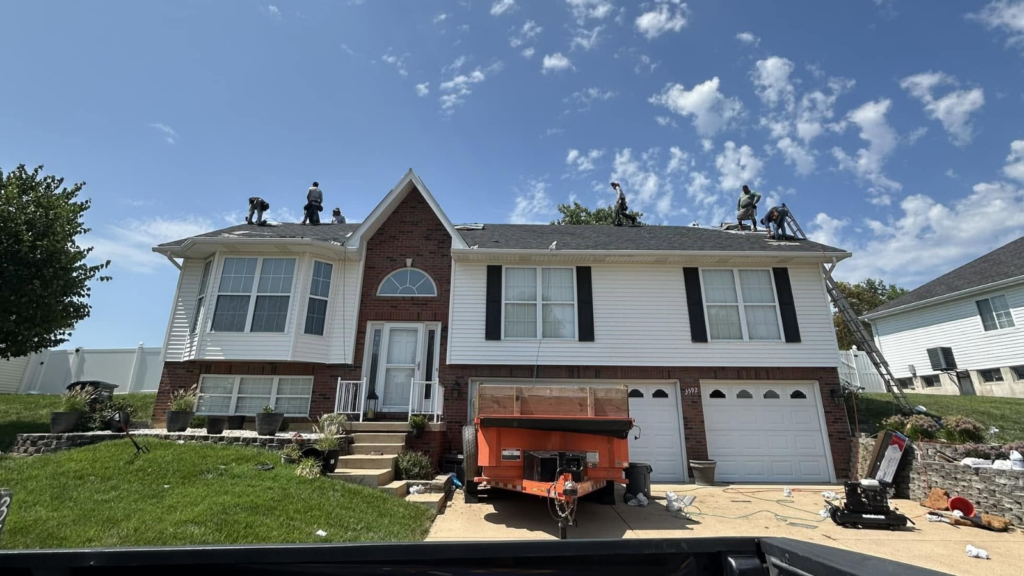
Severe weather can put almost every part of your home’s exterior to the test. Strong winds can lift shingles, hail can damage roofing and siding, heavy rain can expose drainage problems, and falling branches can damage gutters or other exterior components. While no home can be made completely resistant to every storm, preventive maintenance can significantly improve how prepared your property is when severe weather arrives.
For homeowners in Columbia, Illinois, preparation should involve more than checking the roof immediately before a major storm. Effective storm-proofing home exterior strategies involve maintaining the entire exterior system throughout the year, including roofing, siding, gutters, flashing, soffit, fascia, trees, drainage, and other vulnerable areas.
At Diamond Roofing & Exteriors, we help homeowners throughout Columbia, Waterloo, Alton, Bethalto, Godfrey, Chesterfield, Crystal City, Farmington, Festus, Herculaneum, Hillsboro, Mehlville, Oakville, Pevely, St. Charles, and St. Peters maintain and protect their homes.
Why Storm Preparation Matters for Columbia Homeowners
Storm damage often begins with an existing weakness.
A loose shingle may survive ordinary weather but tear away during high winds. A partially clogged gutter may handle light rain but overflow during a thunderstorm. A weakened tree branch may remain in place for months before strong winds bring it down onto the roof.
This is why preventive maintenance matters.
Rather than waiting for severe weather to reveal problems, homeowners can identify vulnerabilities beforehand.
A complete storm-proofing home exterior plan focuses on strengthening and maintaining the systems responsible for keeping wind and water outside your home.
Preparation does not guarantee that storm damage will never occur. Severe hail, extreme winds, lightning, and falling trees can damage even well-maintained homes.
However, keeping the exterior in good condition can help eliminate preventable weaknesses.
Start With a Professional Roof Inspection
Your roof is your home’s primary defense against rain, hail, wind, snow, and debris.
Unfortunately, roofing problems are not always visible from the ground.
A professional inspection may identify issues such as loose shingles, deteriorated flashing, damaged pipe boots, exposed fasteners, weakened sealants, or previous storm damage.
These problems may appear minor during normal weather but become entry points for water during a severe storm.
A roof inspection may include evaluation of:
- Shingles or metal roofing
- Roof valleys
- Ridge caps
- Flashing
- Chimneys
- Roof vents
- Pipe boots
- Roof edges
- Gutters
- Soffit and fascia
Addressing problems before severe weather arrives is one of the most practical ways to improve your home’s storm readiness.
Replace Missing or Damaged Shingles
Missing shingles create obvious vulnerable areas, but damaged shingles can be equally concerning.
Look for shingles that appear:
- Cracked
- Curled
- Loose
- Creased
- Torn
- Missing granules
Strong winds can get beneath compromised shingles and lift them further.
Once roofing materials are displaced, underlayment and decking may become exposed to rain.
Replacing damaged materials promptly should be part of any storm-proofing home exterior strategy.
A few damaged shingles may be repairable when the surrounding roof remains in good condition. Widespread deterioration may require a broader roofing evaluation.
Pay Attention to Roof Flashing
Flashing protects areas where different roof surfaces or building components meet.
It is commonly found around:
- Chimneys
- Skylights
- Roof valleys
- Plumbing vents
- Sidewalls
- Dormers
- Roof transitions
Because these areas are naturally vulnerable to water intrusion, damaged flashing can create significant problems during wind driven rain.
Loose, corroded, or improperly installed flashing should be repaired before severe weather exposes the weakness.
Sealant alone is not always an appropriate long-term solution when the flashing system itself has failed.
Inspect Roof Valleys
Roof valleys handle significant amounts of rainwater because runoff from multiple roof slopes flows toward them.
Leaves, branches, and other debris can interfere with drainage.
Storm preparation should include checking valleys for:
- Debris
- Damaged shingles
- Loose materials
- Visible deterioration
- Flashing problems
Homeowners should avoid climbing onto steep roofing surfaces themselves. A professional roofer can safely inspect areas that cannot be evaluated from the ground.
Keeping valleys clear helps water move away from the roof efficiently during heavy rain.
Keep Your Gutters Clean
Gutters are an essential part of storm-proofing home exterior maintenance.
Their purpose is to collect water from the roof and direct it through downspouts.
When gutters become clogged with leaves, twigs, roofing granules, or other debris, water can overflow.
Overflow may affect:
- Fascia
- Soffit
- Siding
- Landscaping
- Foundations
Heavy rainfall can quickly overwhelm a partially blocked gutter system.
Clean gutters before storm season and inspect them periodically throughout the year, especially if your home is surrounded by mature trees.
Check Gutters for Sagging or Separation
Clean gutters will not work properly if they are pulling away from the house.
Look for:
- Sagging sections
- Loose hangers
- Visible gaps near fascia
- Misaligned gutters
- Standing water
- Leaking seams
Gutters should remain securely attached and maintain an appropriate slope toward the downspouts.
If the gutter is sagging, water may collect in low areas and overflow during heavy rain.
Repairing gutter problems before severe weather helps maintain reliable drainage.
Make Sure Downspouts Are Clear
Downspouts complete the drainage process.
Water should enter the gutters, move toward the downspouts, and discharge safely away from the home.
Blocked downspouts can cause gutters to fill quickly during storms.
Check for:
- Debris
- Loose connections
- Crushed sections
- Missing extensions
- Improper discharge locations
Water should not repeatedly collect directly beside the foundation.
Managing roof runoff properly is a simple but important part of storm-proofing home exterior protection.
Inspect Fascia and Soffit
Fascia and soffit are sometimes overlooked during storm preparation.
Fascia runs along the roof edge and often provides support for gutters. Soffit protects the underside of roof overhangs and may provide ventilation.
Watch for:
- Peeling paint
- Soft wood
- Rot
- Cracks
- Loose panels
- Water stains
- Pest damage
Weak fascia may not hold gutters securely during heavy rain or wind.
Loose soffit panels may also become vulnerable during strong winds.
Repairing deteriorated areas helps strengthen the roof edge before severe weather arrives.
Maintain Your Siding
Siding protects exterior walls from moisture, wind, and other environmental conditions.
Loose or damaged siding may become more vulnerable during storms.
Inspect your home’s exterior for:
- Cracks
- Loose panels
- Missing sections
- Warping
- Open seams
- Impact damage
Wind can get behind loose siding and potentially cause additional sections to detach.
Moisture can also enter through damaged areas and affect materials underneath.
Maintaining siding is therefore an important component of a complete storm-proofing home exterior plan.
Address Siding Damage Promptly
A small crack or loose panel may seem like a cosmetic concern.
However, severe weather can make minor problems worse.
Strong winds may increase movement around loose sections, while wind driven rain can reach areas that should normally remain protected.
Repairs should address the source of the problem rather than simply hiding visible damage.
If widespread deterioration is present, a professional exterior contractor can help determine whether repair or replacement is more practical.
Trim Dangerous Tree Branches
Trees can provide shade and improve curb appeal, but branches near the roof can become hazardous during storms.
High winds may cause limbs to:
- Strike shingles
- Break gutters
- Damage siding
- Puncture roofing
- Damage vents
Branches that constantly rub against the roof can also wear away protective shingle granules.
Homeowners should monitor trees around the property and have dangerous branches professionally trimmed when necessary.
Large tree work should be left to qualified tree professionals, particularly when branches are located near roofs or power lines.
Remove Dead or Weak Trees
A dead or structurally compromised tree can present a much greater risk than a small overhanging branch.
Signs that a tree may require professional evaluation can include:
- Large dead branches
- Visible decay
- Significant leaning
- Root damage
- Cracks in the trunk
A certified tree professional can evaluate whether pruning, treatment, or removal is appropriate.
Tree management can be an important part of storm-proofing home exterior planning because falling trees can cause extensive property damage.
Secure Outdoor Items Before Severe Weather
Not all storm damage comes directly from wind or hail.
Outdoor objects can become airborne during high winds.
Before severe weather, secure or move items such as:
- Patio furniture
- Umbrellas
- Planters
- Grills
- Toys
- Trash containers
- Garden tools
Objects that become airborne may damage siding, windows, gutters, roofing, or neighboring properties.
Developing a simple routine for securing outdoor items can make storm preparation faster.
Check Exterior Doors
Exterior doors should close and latch securely.
Inspect:
- Hinges
- Locks
- Frames
- Weatherstripping
- Thresholds
A door that does not close properly may allow wind driven rain inside.
Garage doors should also be kept in good condition because they represent a large exterior opening.
If a door appears damaged, loose, or difficult to close, consider having it repaired before severe weather.
Inspect Windows and Exterior Trim
Windows and surrounding trim should be checked for visible deterioration.
Look for:
- Cracked glass
- Loose trim
- Deteriorated seals
- Gaps
- Rotting wood
- Damaged frames
Rain driven by strong winds can find small openings around poorly maintained exterior components.
Regular maintenance helps keep the building envelope more resistant to moisture.
Protect Vulnerable Exterior Openings
Every penetration or opening in the home’s exterior deserves attention.
Examples include:
- Dryer vents
- Exhaust vents
- Utility penetrations
- Plumbing openings
- Exterior electrical components
Loose covers or damaged seals may allow water into areas where it does not belong.
Including these smaller components in your storm-proofing home exterior inspection helps create a more complete protection strategy.
Improve Drainage Around the Property
Roof and gutter drainage are only part of the water management system.
Once rainwater reaches the ground, it needs to move away from the house.
Check for areas where water routinely pools near:
- Foundations
- Downspouts
- Walkways
- Landscaping beds
Soil should generally encourage water to move away from the structure rather than toward it.
Drainage problems can become particularly noticeable during heavy thunderstorms.
Addressing them can help protect foundations and lower areas of the home.
Watch for Soil Erosion
Water pouring from clogged gutters or poorly positioned downspouts can erode soil.
Signs may include:
- Channels in landscaping
- Washed away mulch
- Exposed roots
- Soil displacement
- Low areas near the foundation
Erosion can be a warning that the home’s drainage system is not working as intended.
Correcting gutter and downspout problems may help reduce continued erosion.
Prepare for Hail
It is difficult to physically prevent hail from striking a roof, but homeowners can take steps to improve roof readiness.
During roof replacement, ask about roofing materials designed to provide appropriate performance for local conditions.
Homeowners should also keep existing roofing materials properly maintained.
Older, brittle, or already damaged shingles may be more vulnerable to additional impacts.
After a hailstorm, inspect the property from the ground and look for:
- Dented gutters
- Damaged downspouts
- Roofing debris
- Siding impacts
- Broken branches
These clues may indicate that the roof also experienced hail impact.
Prepare for Strong Winds
Wind damage often begins at weak or exposed areas.
Loose shingles, poorly secured flashing, aging ridge caps, and damaged siding may be more vulnerable.
Before storm season, have known problems repaired.
This preventive approach to storm-proofing home exterior maintenance can reduce opportunities for wind to get beneath loose materials.
After strong winds, look around the property for displaced materials and schedule an inspection if you suspect damage.
Prepare for Heavy Rain
Heavy rain can expose drainage and flashing problems quickly.
Before periods of severe weather:
- Clean gutters
- Clear downspouts
- Remove roof debris
- Address known leaks
- Repair damaged flashing
- Check drainage around the foundation
If you already notice water stains inside the home, do not wait for the next major storm to investigate them.
A small leak during ordinary rain may become much more significant during prolonged rainfall.
Prepare for Winter Weather
Storm readiness should continue after thunderstorm season.
Cold weather may bring snow, ice, freezing rain, and strong winds.
Before winter:
- Clean gutters
- Check roof condition
- Repair known leaks
- Inspect flashing
- Evaluate attic ventilation
- Address loose exterior materials
Standing water inside gutters can freeze, adding weight to the system.
Existing roof leaks may also become more complicated during freeze and thaw cycles.
Year-round maintenance makes storm-proofing home exterior protection more effective than waiting until a severe weather alert appears.
Do Not Forget Attic Ventilation
Storm preparation is not limited to visible exterior materials.
Attic ventilation helps manage heat and moisture beneath the roof.
Poor ventilation can contribute to:
- Moisture accumulation
- Condensation
- Mold
- Damp insulation
- Premature roofing deterioration
A balanced ventilation system typically allows air to enter near the roof edges and exit near higher portions of the roof.
Professional roof inspections can help identify obvious ventilation concerns.
Check the Attic for Existing Moisture
The attic can reveal roofing problems that are not visible outside.
Look for:
- Water stains
- Wet insulation
- Damp decking
- Musty odors
- Mold
- Rusted fasteners
Finding moisture before the next storm gives homeowners an opportunity to investigate and repair the source.
Never enter an attic area that appears structurally unsafe or contains exposed electrical hazards.
Understand the Importance of Roof Age
Roof age can affect how well roofing materials withstand severe weather.
As asphalt shingles age, they may gradually become less flexible and lose protective granules.
Older roofs may also have aging flashing, sealants, and ventilation components.
Age alone does not automatically mean a roof requires replacement.
However, homeowners with older roofs should pay closer attention to condition and maintenance, especially before storm season.
Repair Small Problems Before They Grow
One of the central principles of storm-proofing home exterior maintenance is dealing with minor problems before severe weather makes them worse.
Examples include:
- One missing shingle
- Loose flashing
- A sagging gutter
- A damaged downspout
- A cracked siding panel
- A loose soffit section
These repairs may be relatively manageable when addressed early.
Waiting until a storm exposes the weakness may result in damage to additional materials.
Know the Warning Signs After a Storm
Even a well-maintained home should be checked after severe weather.
From the ground, look for:
- Missing shingles
- Roofing materials in the yard
- Fallen branches
- Sagging gutters
- Damaged siding
- Dented downspouts
- Loose exterior components
Inside the home, watch for:
- Ceiling stains
- Damp walls
- Peeling paint
- Musty odors
- Attic moisture
These signs may indicate storm damage that deserves professional evaluation.
Why Hidden Storm Damage Matters
Not every storm-related roofing problem can be seen from the driveway.
Wind may lift shingles and break their adhesive seals before they settle back into position.
Hail can damage shingle surfaces without creating obvious holes.
Flashing may shift slightly.
Small punctures may be hidden beneath debris.
Because these problems can allow moisture into the roofing system, professional inspections can be useful after significant weather events.
Document Damage Safely
If your home is affected by a storm, take photographs from safe locations.
Document visible issues such as:
- Fallen branches
- Missing materials
- Dented gutters
- Damaged siding
- Interior water stains
Avoid climbing onto the roof to obtain photographs.
A roofing professional can document rooftop conditions during an inspection.
Understand Your Homeowners Insurance Policy
Some types of sudden storm damage may be covered by homeowners insurance, depending on the policy.
Coverage varies, so homeowners should understand:
- Deductibles
- Exclusions
- Filing requirements
- Roof-related provisions
- Documentation requirements
Your insurance provider determines whether damage is covered.
A roofing contractor can inspect and document exterior damage but should not guarantee that an insurance company will approve a particular claim.
Create a Home Exterior Maintenance Schedule
Storm preparation works best when it becomes routine.
Instead of waiting until a storm warning is issued, homeowners can create a seasonal exterior maintenance schedule.
Spring is a good time to look for winter damage.
Summer inspections can focus on storm impact and drainage.
Fall maintenance can include gutter cleaning and tree management.
Winter monitoring can focus on snow, ice, and interior moisture.
Making storm-proofing home exterior maintenance part of your regular home care routine can help you identify vulnerabilities sooner.
When Is Roof Replacement Worth Considering?
Preventive maintenance cannot restore roofing materials that are already extensively deteriorated.
Roof replacement may become appropriate when:
- Damage is widespread
- Shingles are significantly deteriorated
- Repairs are becoming frequent
- Multiple leaks are present
- Decking is damaged
- The roof is approaching the end of its useful service life
A professional contractor can evaluate the roof and explain whether repair or replacement is the more practical option.
Consider the Entire Exterior During Replacement Projects
If your home needs major roofing or siding work, it can be useful to consider how exterior components interact.
For example, roof edges affect gutters. Gutters connect to fascia. Siding interfaces with flashing. Downspouts influence ground drainage.
Treating these systems as interconnected parts of the home can help improve overall water management and storm readiness.
Why Professional Installation Matters
High-quality materials still depend on proper installation.
Roofing, siding, gutters, and flashing should be installed according to appropriate manufacturer requirements and construction practices.
Poor installation can create weak areas that become apparent during severe weather.
Professional installation helps ensure components are properly secured, aligned, and integrated.
That foundation is essential for effective storm-proofing home exterior performance.
Why Local Experience Matters
A local exterior contractor understands the types of weather homeowners in Columbia and surrounding communities regularly experience.
The region can face thunderstorms, hail, strong winds, heavy rainfall, winter weather, and seasonal temperature changes.
Local experience also provides familiarity with common roofing and exterior materials used throughout area neighborhoods.
When preparing a property for severe weather, that knowledge can help identify vulnerabilities that deserve attention.
Why Choose Diamond Roofing & Exteriors?
At Diamond Roofing & Exteriors, we believe preparation begins with understanding how every part of your home’s exterior works together.
Our services include roof inspections, roof repair, roof replacement, storm damage restoration, metal roofing, vinyl siding, gutters, and exterior solutions.
We proudly serve homeowners throughout Columbia, Waterloo, Alton, Bethalto, Godfrey, Chesterfield, Crystal City, Farmington, Festus, Herculaneum, Hillsboro, Mehlville, Oakville, Pevely, St. Charles, and St. Peters.
Whether you are preparing for storm season, addressing previous weather damage, or maintaining an aging exterior, our team can evaluate your property and recommend practical improvements.
A professional storm-proofing home exterior strategy should focus on actual vulnerabilities rather than unnecessary upgrades.
Our goal is to help homeowners understand the condition of their roofing and exterior systems so they can make informed decisions about protecting their properties.
Final Thoughts
Severe weather cannot be controlled, but the condition of your home’s exterior can be managed.
Roofing, flashing, siding, gutters, downspouts, soffit, fascia, trees, drainage, and attic ventilation all play a role in how your home responds to wind, hail, rain, snow, and other challenging weather conditions.
The most effective storm-proofing home exterior approach is preventive.
Inspect your roof regularly. Keep gutters and downspouts clear. Repair damaged siding. Maintain flashing. Trim dangerous branches. Check attic moisture. Address drainage problems. Secure outdoor objects when severe weather is approaching.
Most importantly, do not wait for an obvious leak before paying attention to your roof.
Many exterior problems begin small and remain unnoticed until a severe storm makes them worse.
Routine maintenance combined with professional inspections can help homeowners identify those weaknesses earlier.
For homeowners in Columbia and surrounding communities, storm-proofing home exterior maintenance is an investment in protecting the roof, siding, gutters, foundation, and the home as a whole.
If you are concerned about the condition of your property before the next severe weather event, contact Diamond Roofing & Exteriors. Our team can inspect your roofing and exterior systems, identify areas that may require attention, and recommend dependable storm-proofing home exterior solutions to help keep your Columbia-area home prepared throughout the year.
