
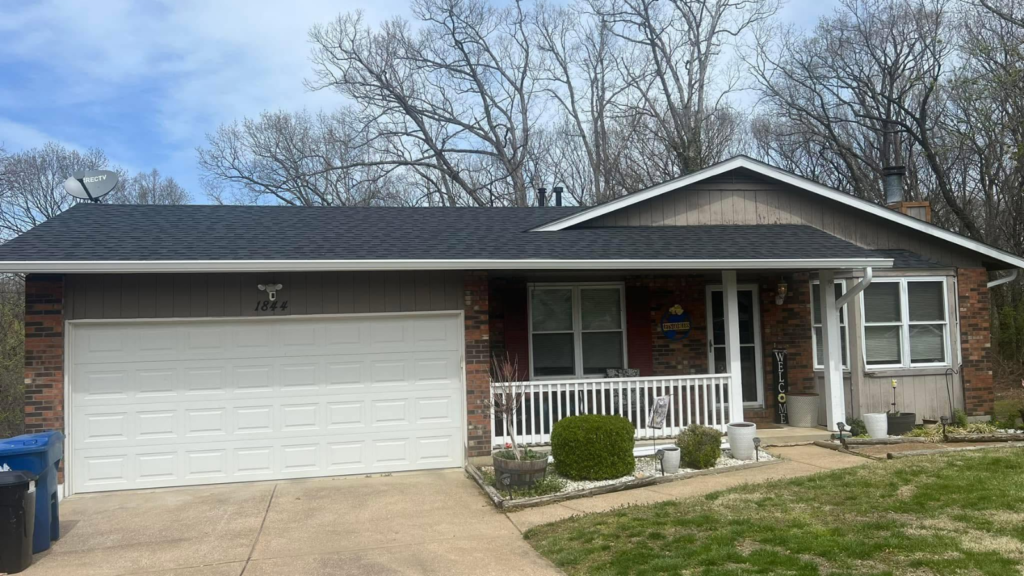
Your roof is one of the most important parts of your home. It protects your family, belongings, and the structural integrity of your property from rain, wind, snow, hail, and changing temperatures throughout the year. Whether you are replacing an aging roof or building a new home, choosing the right roofing material is one of the biggest decisions you will make as a homeowner.
With so many roofing options available, deciding which material offers the best combination of durability, appearance, energy efficiency, maintenance, and long term value can feel overwhelming. The right choice depends on your home’s design, your budget, your neighborhood, and the unique weather conditions experienced throughout Southern Illinois and nearby Missouri communities.
At Diamond Roofing & Exteriors, we proudly help homeowners throughout Columbia, Waterloo, Alton, Bethalto, Godfrey, Chesterfield, Crystal City, Farmington, Festus, Herculaneum, Hillsboro, Mehlville, Oakville, Pevely, St. Charles, and St. Peters find roofing solutions tailored to their homes and local climate.
Why Roofing Material Selection Matters
A roof is much more than shingles covering your home. Every roofing system works as a complete protective barrier made up of several important components.
These include roof decking, underlayment, flashing, ventilation, ice and water barriers, ridge caps, fasteners, and gutters. Each part works together to prevent moisture intrusion, improve airflow, and protect your home from weather related damage.
Choosing the right roofing material affects nearly every aspect of your home’s performance, including longevity, weather resistance, maintenance requirements, energy efficiency, insurance considerations, resale value, and overall appearance.
Making the proper roofing material selection helps ensure your investment continues protecting your home for decades.
Understanding Midwest Weather Challenges
Before choosing roofing materials, it is important to understand the climate your roof must withstand.
Homes throughout Columbia and surrounding communities experience heavy spring rain, summer heat and humidity, severe thunderstorms, strong winds, hail, freezing winter temperatures, snow accumulation, ice storms, and rapid seasonal temperature changes.
These conditions place significant stress on roofing materials. Heat causes expansion, cold causes contraction, and repeated temperature changes can weaken roofing materials over time. Strong winds may lift shingles, while hail can damage protective surfaces and expose vulnerable layers underneath.
Your roofing material should perform well through every season, not only under ideal conditions.
Factors to Consider Before Choosing Roofing Materials
Every homeowner has different priorities. Before making your roofing material selection, consider how long you plan to live in your home, your available budget, your home’s architectural style, and the amount of maintenance you are comfortable handling.
You should also think about durability, energy efficiency, weather resistance, appearance, warranty coverage, and long term ownership costs.
A homeowner planning to sell within a few years may prioritize affordability and curb appeal. Someone planning to remain in the home for decades may prefer a more durable material with a higher initial cost but lower lifetime expenses.
Answering these questions can help narrow your options and make the selection process easier.
Asphalt Shingles
Asphalt shingles remain one of the most commonly installed residential roofing materials in the United States.
They are affordable, widely available, and offered in many colors and styles. Asphalt shingles can complement traditional, modern, ranch, colonial, and craftsman homes.
Standard asphalt shingles typically last around 20 to 25 years, depending on the product, installation quality, maintenance, ventilation, and weather exposure.
For many homeowners, asphalt shingles are a practical roofing material selection because they balance affordability, appearance, and dependable performance.
However, lower cost shingles may be more vulnerable to wind, hail, and temperature changes. Homeowners should compare product ratings and warranty coverage rather than choosing solely based on price.
Architectural Shingles
Architectural shingles are a premium type of asphalt shingle designed with multiple layers for added thickness and visual depth.
They are often more durable than standard three tab shingles and may provide improved wind resistance, impact protection, and curb appeal.
Architectural shingles can resemble wood shake, slate, or other premium materials without the same installation or maintenance requirements.
Their typical lifespan ranges from 25 to 35 years, depending on product quality and local conditions.
Many Columbia homeowners choose architectural shingles because they offer a strong balance between cost, durability, appearance, and warranty protection.
Impact Resistant Shingles
Impact resistant shingles are designed to provide better protection against hail and flying debris.
Many of these products carry a Class 4 impact rating, which is one of the highest ratings available for residential asphalt shingles.
Because hailstorms occur throughout Illinois and Missouri, impact resistant shingles may be a smart roofing material selection for homeowners concerned about storm damage.
These shingles may reduce the risk of cracks, bruising, granule loss, and premature deterioration. Some insurance providers may also offer discounts for approved impact resistant roofing products, although coverage and eligibility vary.
Metal Roofing
Metal roofing has become increasingly popular among Midwest homeowners because of its durability, energy efficiency, and long service life.
A professionally installed metal roof may last 40 to 70 years or longer, depending on the metal type, finish, installation method, and maintenance.
Metal roofing resists fire, insects, mold, mildew, and many types of weather damage. It also sheds rain and snow efficiently, making it suitable for changing Midwest conditions.
Although the initial price is typically higher than asphalt shingles, metal roofing may offer better long term value because it requires fewer replacements.
When evaluating roofing material selection, homeowners should compare lifetime costs rather than focusing only on the initial estimate.
Standing Seam Metal Roofing
Standing seam metal roofing features vertical panels with raised seams that conceal the fastening system.
This design reduces the number of exposed fasteners and helps protect vulnerable areas from water intrusion.
Standing seam systems offer a clean, modern appearance and work well on contemporary homes, farmhouses, cabins, and commercial style residences.
They are also highly resistant to wind, rain, snow, and temperature changes.
Because metal naturally expands and contracts, correct installation is essential. Panels, clips, flashing, and seams must be installed properly to allow movement without damaging the system.
Exposed Fastener Metal Roofing
Exposed fastener roofing uses screws that pass directly through the metal panels into the roof structure.
This system is often more affordable than standing seam metal roofing, but the fasteners remain exposed to the weather.
Over time, washers and sealants may deteriorate, making regular inspections important.
Exposed fastener systems may work well for garages, barns, workshops, and some residential properties. However, homeowners should understand the maintenance requirements before choosing this option.
Cedar Shake Roofing
Cedar shake roofing offers a natural and traditional appearance that many homeowners appreciate.
Cedar provides visual warmth, texture, and character that can complement rustic, craftsman, cottage, and historic homes.
It also offers natural insulating properties that may help regulate indoor temperatures.
However, cedar requires more maintenance than asphalt or metal roofing. Moisture, moss, insects, and UV exposure can affect the material over time.
Regular inspections, cleaning, treatment, and prompt repairs may be needed to preserve its appearance and performance.
Although beautiful, cedar may not be the ideal roofing material selection for homeowners seeking a low maintenance system.
Slate Roofing
Slate is one of the longest lasting roofing materials available.
A properly installed slate roof may last 75 to more than 100 years. It offers exceptional fire resistance, durability, and natural beauty.
Slate is available in several colors and textures, making it suitable for historic homes, luxury properties, and traditional architecture.
However, slate is heavy and may require structural reinforcement. It is also more expensive to purchase and install than most residential roofing materials.
Repairs should be completed by contractors familiar with slate because the tiles may crack when handled incorrectly.
For homeowners who value longevity and classic appearance, slate may be an excellent roofing material selection.
Synthetic Roofing Materials
Synthetic roofing materials are manufactured to resemble slate, cedar shake, tile, or other premium products.
They are generally lighter than natural slate and may require less maintenance than cedar.
Many synthetic products offer strong resistance to wind, hail, moisture, fading, and temperature changes.
Because product quality varies, homeowners should carefully review manufacturer testing, warranties, fire ratings, and impact ratings.
Synthetic roofing may be a practical roofing material selection for homeowners who want the appearance of a premium material without the same weight or maintenance requirements.
Clay and Concrete Tile
Clay and concrete tile roofing is more commonly associated with warm climates, but it may be used on certain custom homes in the Midwest.
Tile roofing offers a distinctive appearance, excellent fire resistance, and a long service life.
However, tile is heavy and may require additional structural support. It may also be vulnerable to cracking during severe freeze and thaw cycles if the product is not rated for colder climates.
Homeowners interested in tile should work with a contractor who understands local weather conditions and structural requirements.
Flat and Low Slope Roofing Materials
Some residential properties have porches, additions, garages, or sections with a low roof slope.
Traditional shingles may not provide adequate protection on these areas because water drains more slowly.
Common low slope roofing materials include EPDM rubber, TPO, PVC, and modified bitumen.
EPDM is a durable rubber membrane commonly used on low slope roofs. TPO and PVC are single ply systems known for their reflective surfaces and resistance to moisture. Modified bitumen combines asphalt with reinforcing materials for added durability.
The right system depends on roof slope, drainage, insulation, exposure, and budget.
Matching Roofing Materials to Your Home Style
Your roofing material should complement your home’s architectural design.
Traditional homes often look attractive with architectural shingles, slate, or synthetic slate. Modern homes may pair well with standing seam metal or clean, low profile materials.
Farmhouse style homes frequently use black metal roofing, dimensional shingles, or combinations of both. Craftsman homes may benefit from architectural shingles or synthetic shake with rich texture.
Brick homes often look balanced with neutral gray, brown, black, or weathered wood tones.
Thoughtful roofing material selection enhances your home’s overall design instead of competing with it.
Choosing the Right Roof Color
Roof color affects curb appeal, heat absorption, and how the roof coordinates with siding, brick, trim, shutters, doors, and landscaping.
Dark colors provide a classic appearance and may help conceal dirt or staining. However, they generally absorb more solar heat.
Lighter colors may reflect more sunlight and help reduce roof surface temperatures during hot weather.
Neutral colors such as charcoal, brown, gray, and black remain popular because they complement many exterior materials.
Before choosing a color, review full size samples outdoors. Lighting conditions can make roofing materials appear different than they do in brochures or indoor showrooms.
Energy Efficiency Considerations
Your roofing system can influence attic temperatures, cooling costs, and indoor comfort.
Reflective roofing materials may help reduce solar heat absorption during summer. Metal roofing and certain light colored shingles are available with reflective finishes designed to improve energy performance.
However, roofing material is only one part of the system.
Attic insulation, ventilation, air sealing, roof color, and overall construction also affect efficiency.
A professional contractor can evaluate the entire roofing and attic system before recommending upgrades.
Energy performance should be considered during roofing material selection, especially for homeowners concerned about high summer cooling costs.
Roof Ventilation and Material Performance
Proper roof ventilation helps control attic heat and moisture.
Without adequate ventilation, hot air may become trapped in the attic during summer. In winter, warm indoor air may create condensation when it meets cold surfaces.
Excess heat and moisture can contribute to mold growth, damaged insulation, wood deterioration, ice dams, and premature roofing failure.
Intake vents and exhaust vents must work together to create balanced airflow.
Even high quality roofing materials may fail early when ventilation is inadequate.
Maintenance Requirements
Every roofing material requires some level of maintenance.
Asphalt shingles should be inspected for missing shingles, granule loss, cracked sealant, and damaged flashing.
Metal roofing should be checked for loose fasteners, sealant wear, scratches, corrosion, and debris buildup.
Cedar roofing requires cleaning, treatment, and monitoring for moss or moisture damage.
Slate and tile should be inspected for cracked, loose, or broken pieces.
Homeowners should consider their willingness and ability to perform ongoing maintenance before making a roofing material selection.
Comparing Roofing Lifespans
Expected lifespan is one of the most important factors when comparing roofing materials.
Standard three tab shingles may last around 20 years. Architectural shingles may last 25 to 35 years. Metal roofing may last 40 to 70 years or longer.
Cedar shake may last 30 to 40 years with proper maintenance. Synthetic roofing may last 40 to 50 years or more, depending on the product.
Slate and quality tile may last 75 to more than 100 years.
Actual lifespan depends on installation quality, weather exposure, ventilation, maintenance, roof slope, material quality, and storm damage.
Wind Resistance
Strong winds can lift shingles, loosen flashing, damage ridge caps, and expose the roof deck.
Architectural shingles, impact resistant shingles, metal roofing, slate, and synthetic systems may offer strong wind resistance when properly installed.
However, wind ratings vary by product.
Homeowners should ask about manufacturer ratings, fastening methods, starter strips, edge protection, and installation requirements.
Even a highly rated roofing material may fail if installed incorrectly.
Hail Resistance
Hail can damage roofing materials by creating cracks, dents, bruises, punctures, or granule loss.
Impact resistant shingles and many synthetic roofing systems are designed to reduce hail damage. Metal roofing also provides strong protection, although cosmetic dents may occur during severe storms.
No material is completely hail proof.
After a major storm, homeowners should schedule a professional inspection even when damage is not visible from the ground.
Hail performance should play an important role in roofing material selection for homes throughout Columbia and surrounding communities.
Fire Resistance
Roofing materials are rated based on their ability to resist fire.
Class A materials provide the highest level of fire resistance.
Metal, slate, clay tile, concrete tile, and many fiberglass asphalt shingles carry strong fire ratings.
Wood shake may require special treatment or approved assemblies to achieve better fire resistance.
Fire ratings may affect safety, local requirements, and insurance considerations.
Budget Planning
Roof replacement costs depend on several factors, including material type, roof size, slope, complexity, labor, removal of old materials, decking repairs, ventilation upgrades, flashing, permits, and disposal.
Standard asphalt shingles are generally the most affordable option.
Architectural and impact resistant shingles cost more but may offer better durability and appearance.
Metal, synthetic, slate, and tile roofing usually involve higher initial costs.
Rather than comparing estimates only by total price, review material quality, warranty coverage, installation methods, contractor qualifications, and expected service life.
A smart roofing material selection balances the initial investment with long term value.
Lifetime Cost Versus Upfront Cost
The least expensive roof may not always be the most economical over time.
A lower cost roof that requires replacement every 20 years may eventually cost more than a durable system that lasts 50 years.
Homeowners should consider maintenance, repairs, energy savings, insurance, warranties, and replacement frequency.
Calculating lifetime cost provides a clearer picture of value than comparing upfront prices alone.
Warranty Considerations
Most roofing projects include at least two types of warranties.
A manufacturer warranty covers defects in roofing materials. A workmanship warranty covers installation related issues.
Coverage periods, exclusions, transferability, and registration requirements vary.
Some extended warranties require installation by certified contractors or the use of a complete roofing system from one manufacturer.
Before making a final roofing material selection, ask for written warranty details and understand what is covered.
Insurance Considerations
Roofing materials may affect insurance premiums, deductibles, claim eligibility, and replacement coverage.
Impact resistant roofing may qualify for discounts with some providers. Older roofs may receive limited coverage or actual cash value instead of full replacement cost.
Some insurance companies may also have guidelines regarding wood shake, cosmetic metal damage, or roof age.
Homeowners should speak with their insurance provider before selecting a roofing material.
Environmental Considerations
Many homeowners want roofing materials that support sustainability.
Metal roofing often contains recycled content and can be recycled at the end of its service life.
Some asphalt shingles may also be recycled into paving materials, depending on local programs.
Long lasting materials reduce the number of roof replacements needed over time, which may lower landfill waste.
Reflective roofing can also reduce heat absorption and support better energy efficiency.
Environmental goals can be included in the roofing material selection process without sacrificing durability or appearance.
Neighborhood and Homeowner Association Requirements
Some neighborhoods and homeowner associations have rules regarding roofing color, style, profile, and material.
Before ordering materials, review local guidelines and approval requirements.
Historic districts may also have restrictions designed to preserve architectural character.
Confirming these requirements early can prevent delays, unexpected expenses, or the need to change materials after a project begins.
Signs It May Be Time for Roof Replacement
Homeowners should schedule a professional inspection if they notice missing shingles, curling edges, granule loss, rusted metal, cracked tiles, damaged flashing, roof leaks, water stains, sagging areas, frequent repairs, or visible storm damage.
Roof age is also important.
Even without obvious leaks, an older roof may be approaching the end of its service life.
Replacing a deteriorated roof before complete failure can help prevent damage to insulation, ceilings, walls, flooring, and structural components.
Why Professional Installation Matters
Even the highest quality roofing material will not perform properly if it is installed incorrectly.
Professional installation helps ensure proper flashing, fastener placement, ventilation, underlayment, water barriers, drainage, and manufacturer compliance.
Experienced contractors also know how to identify damaged decking, structural concerns, moisture problems, and ventilation deficiencies before installing the new roof.
Your roofing material selection is only as dependable as the workmanship behind it.
Common Roofing Material Selection Mistakes
One common mistake is choosing the cheapest material without considering lifespan or performance.
Another is selecting a roof based only on appearance.
Some homeowners also overlook ventilation, maintenance, warranties, insurance requirements, and local weather exposure.
Choosing a material that is too heavy for the structure can create additional costs. Using shingles on a slope that requires membrane roofing may lead to leaks.
Working with an experienced roofing contractor helps homeowners avoid these mistakes.
Why Homeowners Trust Diamond Roofing & Exteriors
Choosing a new roof should not feel confusing.
Diamond Roofing & Exteriors works closely with homeowners to simplify the roofing material selection process through professional inspections, honest recommendations, and quality workmanship.
Our team evaluates roof condition, home style, budget, weather exposure, ventilation, energy goals, maintenance expectations, and long term plans.
We explain available options clearly so homeowners can make informed decisions without unnecessary pressure.
We proudly serve Columbia, Waterloo, Alton, Bethalto, Godfrey, Chesterfield, Crystal City, Farmington, Festus, Herculaneum, Hillsboro, Mehlville, Oakville, Pevely, St. Charles, and St. Peters with dependable roofing solutions designed for Midwest conditions.
Frequently Asked Questions About Roofing Materials
Which roofing material lasts the longest?
Slate, copper, and certain tile systems may last more than 100 years when properly installed and maintained. Metal roofing commonly lasts 40 to 70 years or longer.
What is the most affordable roofing option?
Standard asphalt shingles are generally the most affordable residential roofing material. Architectural shingles cost more but often provide improved durability, appearance, and warranty coverage.
Is metal roofing worth the additional cost?
Metal roofing may be an excellent investment for homeowners planning to remain in their homes long term. Its extended lifespan, low maintenance, energy performance, and weather resistance may offset the higher initial cost.
What roofing material is best for hail?
Class 4 impact resistant shingles, metal roofing, and many synthetic systems provide strong hail resistance. Product ratings and installation quality should always be reviewed.
Can a new roof increase home value?
A professionally installed roof may improve curb appeal, buyer confidence, energy performance, and resale value. The exact return depends on the material, market, home condition, and quality of installation.
Can I install new shingles over an existing roof?
In some situations, local codes may allow a second layer. However, removing the existing roof allows contractors to inspect the decking, install updated underlayment, and identify hidden damage.
A complete tear off often provides better long term results.
Final Thoughts
Choosing a new roof is one of the most important investments you will make as a homeowner.
From durability and weather resistance to maintenance, curb appeal, energy efficiency, and long term value, every factor should be carefully considered.
Taking the time to compare your options ensures your roofing material selection aligns with your home’s architecture, your budget, and the changing weather conditions experienced throughout the Midwest.
Whether you prefer the affordability of architectural shingles, the longevity of metal roofing, the appearance of synthetic materials, or the timeless quality of slate, selecting the right system can provide lasting protection and peace of mind.
We proudly serve homeowners throughout Columbia, Waterloo, Alton, Bethalto, Godfrey, Chesterfield, Crystal City, Farmington, Festus, Herculaneum, Hillsboro, Mehlville, Oakville, Pevely, St. Charles, and St. Peters with roofing solutions designed to protect homes through every Midwest season.
